Student Visa USA Application Process Step By Step opens the door for international students seeking to study in the United States. Navigating the visa application process can feel overwhelming, but with the right guidance, it transforms into a manageable journey. This process not only involves understanding the different types of student visas but also knowing what documents to prepare, how to complete the online application, and what to expect during the interview.
From selecting the appropriate visa type to arriving in the USA and maintaining your visa status, each step is crucial for a successful educational experience abroad. Knowing what to expect can ease anxiety and ensure that students are well-prepared for their academic adventures in the United States.
Overview of Student Visa Types
Studying in the USA offers a wealth of opportunities for international students. However, to pursue education in the United States, it’s essential to understand the various student visa options available. Each visa type caters to different educational pursuits, and knowing the specifics can streamline the application process.The primary student visa types for studying in the USA are the F-1, M-1, and J-1 visas.
Each visa serves a different purpose and comes with unique eligibility requirements and application processes.
F-1 Visa
The F-1 visa is the most common visa for international students attending academic institutions in the USA. It is designed for students enrolled in a full-time program at an accredited college, university, or language school. To qualify for an F-1 visa, applicants must:
- Be accepted into an approved academic program.
- Demonstrate the financial ability to cover tuition and living expenses.
- Provide proof of English proficiency, often through standardized tests like TOEFL or IELTS.
The application process involves submitting the Form I-20, received from the educational institution, along with the SEVIS fee and attending a visa interview at the U.S. embassy or consulate.
M-1 Visa
The M-1 visa is specifically for students pursuing vocational or technical training programs. This visa is suitable for those enrolled in non-academic programs, such as trade schools or other vocational institutions.Eligibility requirements for the M-1 visa include:
- Acceptance into a recognized vocational program.
- Proof of sufficient funds to support oneself during the course of study.
- Intent to return to the home country after the program completion.
Applying for the M-1 visa involves completing the Form I-20 from the vocational institution and attending an interview at the U.S. embassy or consulate, similar to the F-1 process.
J-1 Visa
The J-1 visa is available for students participating in exchange programs, allowing them to gain experience through internships, research, or study. This visa promotes cultural exchange and mutual understanding between nations.To be eligible for a J-1 visa, applicants must meet the following criteria:
- Be sponsored by an approved exchange program.
- Hold a valid passport and meet the financial requirements.
- Provide evidence of ties to the home country to ensure the intention to return after the program.
The application process for the J-1 visa involves obtaining a Form DS-2019 from the sponsoring organization, paying the SEVIS fee, and attending a visa interview.
Understanding the distinctions between the F-1, M-1, and J-1 visas is crucial for international students to ensure they apply for the correct type of visa based on their educational goals.
Pre-Application Requirements
Before diving into the visa application process for studying in the USA, it’s essential to gather all necessary documentation and understand the steps involved in obtaining your Form I-20. This form is crucial for initiating your visa application, and being prepared will ease your journey. Below are the key documents and steps required to kickstart your application process.
Required Documents for Visa Application
Having the right documents is vital for a smooth student visa application process. The following documents are mandatory before you can apply for your student visa:
- Valid Passport: Your passport must be valid for the duration of your stay in the USA, ideally with at least six months remaining beyond your planned arrival date.
- Form I-20: Issued by your chosen educational institution, this form certifies your acceptance to a program of study.
- Proof of Financial Support: Documentation proving that you have sufficient funds to cover tuition, living expenses, and any additional costs while studying.
- Visa Application Fee Payment Receipt: A receipt showing that you have paid the non-refundable visa application fee, typically done online.
- Passport-Sized Photos: Recent photographs that meet the U.S. visa photo requirements.
Obtaining Form I-20 from Your Educational Institution
The Form I-20 is a critical document that allows you to apply for your student visa. To obtain this form, follow these steps:
1. Acceptance to a U.S. Institution
Ensure you have been accepted into a SEVP-certified school in the USA.
2. Submit Required Documents
Provide the institution with necessary documents, including proof of financial support, academic records, and a completed application form.
3. Receive Form I-20
After your documents are verified, the school will issue your Form I-20, which indicates your program details and the duration of your stay.
Importance of the SEVIS Fee and Payment Process
The Student and Exchange Visitor Information System (SEVIS) fee is crucial for maintaining your student status while studying in the USA. This fee is used to support the system that tracks international students and exchange visitors.To pay the SEVIS fee:
1. Obtain Your SEVIS ID
Your SEVIS ID is located on your Form I-
20. 2. Visit the SEVIS Fee Payment Website
Go to the official website and fill out the payment form.
3. Choose Your Payment Method
You can pay via credit card, debit card, or bank transfer. Ensure you retain the payment confirmation receipt, as you will need to present it during your visa interview.
Paying the SEVIS fee is a mandatory step before scheduling your visa interview, so it is important to complete this early in the application process.
Completing the Online Application (DS-160)
Filling out the DS-160 form is a critical step in the student visa application process to the USA. This online application form is essential for obtaining a non-immigrant visa, including those for students. Completing it correctly ensures a smoother application experience and reduces the chances of delays or complications.The DS-160 form is an electronic application that requires detailed personal, academic, and travel information.
Each section must be filled out accurately, as the information provided will be used by consulate officials to determine your eligibility for a visa. Below, we will walk through the steps to complete the DS-160 form, share tips to avoid common mistakes, and provide a checklist of information needed.
Step-by-Step Process for Filling Out the DS-160 Form
1. Access the form
Go to the Consular Electronic Application Center (CEAC) website to begin the DS-160 application. Choose the appropriate location where you will be applying for your visa.
2. Create an application
Start a new application by clicking on “Start a New Application.” You will receive a unique Application ID that you should save for future reference.
3. Personal Information
Fill out your personal details, including your name, date of birth, and nationality. Ensure that your name matches exactly as it appears on your passport.
4. Passport Information
Enter your passport number, issuance date, and expiration date. Double-check these details for accuracy.
5. Travel Information
Provide information about your intended travel to the USA, including your planned arrival date, address in the USA, and the purpose of your visit (study).
6. U.S. Contact Information
Include details of your school or the institution you will be attending in the USA. This should consist of their address and your contact person at the institution.
7. Previous U.S. Travel
If you have traveled to the U.S. before, enter the relevant information regarding your previous visits and visa applications.
8. Family Information
Fill in details about your family members, including parents and siblings, along with their immigration status if applicable.
9. Security and Background Questions
Answer questions regarding your health, criminal history, and any previous visa denials. Be truthful, as inconsistencies can lead to complications.1
0. Review and Submit
Carefully review all the information you have entered. Make sure there are no errors before submitting the application. Once submitted, you will receive a confirmation page that you must print for your visa interview.
Common Mistakes to Avoid, Student Visa USA Application Process Step By Step
Filling out the DS-160 can be tricky, and avoiding common errors is vital for a successful application process. Here are some tips to help ensure your form is completed correctly:
Incorrect Personal Information
Ensure all names and dates are exactly as they appear on your passport.
Inconsistent Responses
Avoid providing conflicting answers in different sections of the form. Consistency is key to maintaining credibility.
Missing Information
Double-check that all required sections are filled out completely. Leaving fields blank can delay processing.
Neglecting to Review
Always review your application before submitting. Mistakes can lead to complications or visa denial.
Checklist of Information Needed for DS-160
To fill out the DS-160 form accurately, gather the following information in advance:
- Passport details (number, issuance date, expiration date)
- Travel itinerary (intended arrival date, address in the USA)
- Education details (name of school, course of study)
- Family information (names, dates of birth, immigration status)
- Employment history (current and previous employment information)
- Security and background information (health, criminal history)
This organized approach will help streamline the process and ensure accuracy as you complete the DS-160 form. Remember, correct and complete information is crucial for a successful student visa application.
Visa Application Fees
When applying for a student visa in the USA, it’s essential to understand the various fees associated with the application process. These fees contribute to processing your visa and ensuring that your application is reviewed thoroughly. Being informed about these costs can help you budget appropriately and avoid any surprises during your application journey.The primary fee associated with the student visa application is the SEVIS fee, which supports the Student and Exchange Visitor Information System.
This fee is mandatory for all international students and must be paid before your visa appointment. Additionally, the application fee for the DS-160 form is another cost applicants need to consider. Understanding these expenses will prepare you better for the financial aspects of the visa application process.
Types of Visa Application Fees
There are several fees that students must be aware of when applying for their U.S. student visa. Each fee plays a crucial role in ensuring a smooth application process. Here are the main types of fees:
- SEVIS Fee: This fee is required for all students applying to study in the U.S. The current fee is $350 for F and M visa applicants, and it must be paid before scheduling a visa interview.
- Visa Application Fee: The fee for the DS-160 form typically amounts to $160. This fee is non-refundable and is necessary for processing the visa application.
- Additional Fees: Depending on your nationality, you may encounter other fees, such as issuance fees or reciprocity fees, that vary according to the country of origin.
Methods of Payment
Paying the visa application fees is a straightforward process, and several methods are accepted to accommodate applicants. Familiarizing yourself with these payment options can facilitate a smoother experience when submitting your fees.
- Credit or Debit Card: Most applicants prefer paying online via a credit or debit card during the SEVIS fee payment process. Major credit cards such as Visa, MasterCard, or American Express are typically accepted.
- Bank Transfer: In some cases, students can opt for a bank transfer or wire transfer. This may vary by country, so it’s essential to check local payment options.
- Cash Payment: Certain U.S. embassies and consulates allow cash payments for the visa application fee, but this is less common and should be confirmed prior to your appointment.
Fee Waivers for Eligible Applicants
Fee waivers can significantly ease the financial burden for eligible applicants who might otherwise struggle to pay the required fees. Understanding the criteria for fee waivers can be beneficial for those who qualify.
Fee waivers are generally available for applicants who demonstrate financial hardship or are receiving certain types of public assistance.
- Eligibility: Applicants may qualify for a fee waiver if they can provide evidence of low income, reliance on public benefits, or other financial hardships.
- Application Process: To apply for a fee waiver, students will need to submit specific documentation along with their visa application to support their claim.
- Impact of Waivers: Receiving a fee waiver can help eliminate the financial strain associated with visa applications, allowing students to focus on their education and future endeavors.
Scheduling the Visa Interview

As part of the student visa application process, scheduling your visa interview is a critical step that requires careful planning. Securing an appointment at the nearest U.S. embassy or consulate is essential, as it sets the timeline for your visa application and ultimately affects your ability to commence your studies in the United States.To schedule a visa interview, applicants need to visit the website of the nearest U.S.
embassy or consulate. Most locations provide an online appointment system. Here’s a step-by-step guide on how it generally works:
1. Visit the Official Website
Navigate to the U.S. embassy or consulate website in your country. Look for the “Non-Immigrant Visa” section.
2. Create a Profile
Most embassies require you to create a user profile in their visa application portal.
3. Select Visa Type
Choose the appropriate visa type from the list (F-1, M-1, etc.).
4. Fill Out Required Information
Complete the necessary forms and provide the information requested.
5. Schedule the Appointment
After completing the DS-160 form and paying the visa fee, you can schedule your appointment. You will be presented with available dates and times.
6. Confirmation
After securing your appointment, you will receive a confirmation that you should print and bring to your interview.
Timeline for Scheduling the Interview
Understanding the right timing for scheduling your visa interview is crucial. It is generally advisable to book your appointment as early as possible, ideally at least 3 months prior to the start of your academic program. This allows ample time for processing and any unforeseen delays. Here are some critical points to consider regarding timing:
Start of Classes
If your classes start on August 15, plan to schedule your interview by May 15.
Processing Time
Visa processing can take anywhere from a few days to several weeks, depending on the consulate’s workload and the time of year.
Travel Plans
Factor in additional time for travel arrangements once your visa is approved.
Factors Influencing Interview Wait Times
Wait times for visa interviews can vary significantly based on several factors. Being aware of these can help you plan effectively:
Seasonal Demand
During peak seasons, such as summer months when many students apply for fall admission, wait times can increase.
Location
The volume of applications at different embassies or consulates can differ, affecting appointment availability. Major cities typically have higher demand.
Type of Visa
Certain visa types may have longer processing times based on specific regulations or applicant circumstances.
Consistency of Documentation
Missing documents or inconsistent information can lead to delays. Ensure all your information is accurate and complete.
Early scheduling can significantly reduce stress and increase the likelihood of obtaining the visa on time.
By keeping these factors in mind and planning ahead, you can navigate the scheduling of your visa interview with greater ease and confidence.
Preparing for the Visa Interview
Preparing for the visa interview is a crucial step in the student visa application process. This is your opportunity to present your case to a consular officer, who will assess your eligibility for a student visa. Being well-prepared not only boosts your confidence but also enhances your chances of a successful interview outcome.Documentation is a key aspect of the visa interview.
You need to gather specific documents that demonstrate your intent to study in the U.S. and your ability to support yourself during your stay. Here’s a list of essential documents you should have ready for your interview:
Required Documentation for the Interview
Having the right documents ensures that you present a strong case. Here’s a list of vital items to bring along:
- Valid Passport: Ensure your passport is valid for at least six months beyond your intended stay in the U.S.
- Form DS-160 Confirmation Page: Bring the printed confirmation page from your completed online application.
- Visa Fee Receipt: Proof of payment for the visa application fee.
- I-20 Form: Issued by your U.S. school, confirming your admission and details about your program.
- Financial Evidence: Documentation that demonstrates you have sufficient funds to cover tuition and living expenses, such as bank statements or affidavits of support.
- Photograph: A recent passport-sized photo meeting U.S. visa photo requirements.
- Academic Documents: Transcripts, diplomas, or certificates from previous schools or universities.
- Standardized Test Scores: Include any relevant test scores such as TOEFL or GRE, if applicable.
Preparing for common interview questions is essential to navigate the interview successfully. Familiarize yourself with likely questions that the consular officer might ask. Here are some examples that reflect the types of inquiries you may encounter:
Common Interview Questions
Understanding the types of questions that may arise helps in crafting thoughtful responses. Common questions often focus on your study plans and intentions in the U.S.
- Why did you choose this particular school? Be prepared to discuss the specific program and how it aligns with your career goals.
- What are your plans after completing your studies? Clearly articulate your academic and career aspirations post-graduation.
- How will you finance your education and living expenses? Offer a concise explanation of your financial resources.
- What ties do you have to your home country? Highlight family, job prospects, or other commitments that demonstrate your intent to return.
Presenting yourself effectively during the interview can significantly influence the outcome. First impressions matter, and how you carry yourself can convey confidence and credibility.
Tips for Effective Presentation
Adopting a positive demeanor and being well-prepared can enhance your interview experience. Here are some tips to help you present yourself effectively:
- Dress Appropriately: Wear professional attire as it reflects seriousness about your application.
- Be Punctual: Arrive early to the interview to avoid any last-minute stress and show respect for the officer’s time.
- Practice Active Listening: Pay attention to the officer’s questions, and make sure to answer clearly and concisely.
- Maintain Eye Contact: This demonstrates confidence and engagement in the conversation.
- Stay Calm and Collected: Take a deep breath if you feel nervous, and remember that the officer is there to help you.
A well-prepared applicant who presents themselves confidently can significantly improve their chances of success in the visa interview process.
After the Visa Interview
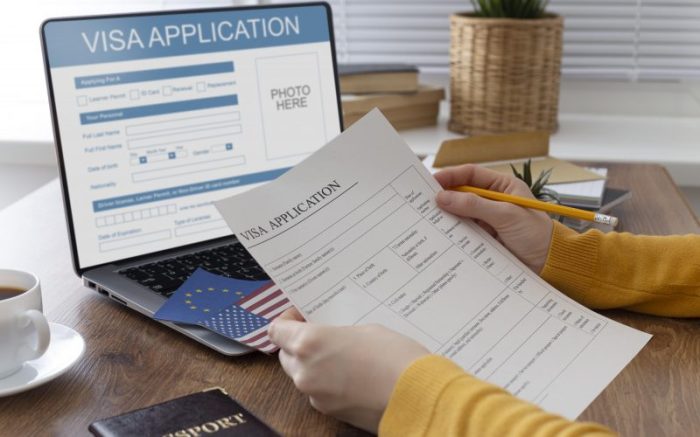
Following your visa interview, there are several steps and outcomes that you need to be aware of. The experience can lead to either an approval or denial of your student visa, each coming with its own process. Understanding what happens next can ensure that you are fully prepared for either scenario.The outcome of your visa interview will typically be communicated to you at the end of the interview, although it may also take a few additional days for the official decision.
If your visa is approved, you will receive instructions on how to collect your visa. Conversely, if your application is denied, you will be informed of the reasons for the denial and may have the opportunity to rectify your application for a future attempt.
Visa Approval Process
When your visa is approved, certain steps follow, which include collecting your visa and preparing for your travel to the United States. Here are the important steps to take after approval:
- Receive Visa: Your passport with the visa will be returned to you, typically through the method you chose during your application process.
- Check Visa Details: Ensure that all information on your visa is correct, including your name, dates, and type of visa.
- Plan Travel: Once your visa is in hand, you can book your travel to the U.S. Make sure your entry aligns with your planned start date for courses.
Visa Denial Process
If your visa application is denied, it’s essential to understand the next steps and how you can respond. Below are important points to consider:
- Understand the Reason: The consular officer will provide you with a written explanation of why your visa was denied.
- Consider Reapplication: If applicable, you may reapply for a visa after addressing the issues that led to the original denial.
- Consult Legal Advice: Seeking advice from an immigration attorney can help clarify your situation and improve your chances in future applications.
Tracking Visa Application Status
After your interview, whether approved or denied, keeping track of your visa application status is crucial. The following methods can help you monitor your application:
- Online Tracking: Use the CEAC (Consular Electronic Application Center) website, where you can check the status using your DS-160 confirmation number.
- Contact the Embassy/Consulate: If you have questions or need further information, reaching out to the embassy or consulate where you applied can provide clarity.
- Notifications: Some embassies offer notifications via email or SMS about the status of your visa application, which can be helpful.
Arriving in the USA
Upon arriving in the United States as an international student, it is essential to navigate your first steps carefully to ensure a smooth transition into your new environment. The initial actions you take can set the tone for your entire study experience. You’ll need to familiarize yourself with important procedures and regulations that come with your student visa status.
Checking in with the Designated School Official (DSO)
One of the first tasks to complete after arriving in the USA is to check in with your institution’s designated school official (DSO). This step is crucial as it helps to confirm your enrollment and maintain your visa status. Upon your arrival, you should locate your DSO, who is typically associated with the International Student Office at your school. It is advisable to email or call ahead to set an appointment for the check-in process, which usually involves submitting a copy of your passport, visa, and Form I-20.During your meeting with the DSO, you will discuss your academic program and any additional requirements for international students, such as mandatory health insurance.
Your DSO will also provide essential information regarding your stay in the USA, including available resources and support services.
Maintaining Visa Status While Studying in the USA
To maintain your student visa status while studying in the USA, you should adhere to several key regulations. These rules ensure compliance with the terms of your visa and are vital for avoiding potential legal issues. Here are the primary factors to consider:
- Enroll in a full course of study: Full-time enrollment typically means taking at least 12 credits per semester for undergraduate students and 9 credits for graduate students.
- Attend classes regularly: Consistent attendance is crucial as it reflects your commitment to your education and is monitored by your institution.
- Report any changes: Notify your DSO immediately of any changes in your personal information, such as a change of address, program of study, or a leave of absence.
- Maintain a valid passport: Your passport must remain valid at all times during your stay in the USA. It is advisable to renew it well before expiration.
- Be aware of work regulations: Understand the limitations of your student visa regarding on-campus and off-campus employment, ensuring you comply with the stipulations set by USCIS.
Maintaining your visa status not only helps you stay in the country legally but also enhances your overall educational experience. Always keep in touch with your DSO and utilize available resources to assist you in fulfilling these requirements.
“Staying informed and proactive about your visa status can make your study journey in the USA much smoother.”
Summary
In conclusion, the Student Visa USA Application Process Step By Step is designed to guide prospective students through a systematic approach to securing their visa. Each stage is essential, from the initial application to finally stepping foot on American soil. By taking the time to understand and prepare for each aspect of the process, students can focus on their studies and make the most of their time in the USA.
FAQ Explained: Student Visa USA Application Process Step By Step
What is the difference between F-1, M-1, and J-1 visas?
The F-1 visa is for academic students, the M-1 is for vocational students, and the J-1 is for exchange visitors, each with specific eligibility requirements.
How long does the student visa application process take?
The process can vary, but typically it takes several weeks, depending on the time needed for document preparation and scheduling the visa interview.
Can I work while on a student visa?
Students on an F-1 visa can work on-campus or may qualify for optional practical training (OPT) after completing their studies.
What should I do if my visa application gets denied?
If denied, review the reasons provided, and you may reapply or appeal the decision based on eligibility criteria.
Is health insurance mandatory for international students?
While not always legally required, many institutions require students to have health insurance to ensure they have access to healthcare while studying in the USA.