Leadership And Management Courses Online open the doors to a world of opportunities for aspiring and seasoned professionals alike. In today’s fast-paced business landscape, acquiring strong leadership and management skills is crucial for success. These online courses provide the flexibility to learn at your own pace while gaining insights from industry experts, allowing individuals to enhance their qualifications without the constraints of traditional classroom settings.
With a range of platforms offering these courses, students can find programs that fit their specific needs and learning preferences. From understanding team dynamics to mastering strategic planning, these courses cover essential topics and offer unique curricula designed to empower learners.
Overview of Leadership and Management Courses Online
In today’s fast-paced business environment, effective leadership and management skills are more critical than ever. As organizations face complex challenges, the demand for skilled leaders who can navigate these challenges and inspire their teams has surged. Online courses in leadership and management provide an accessible way for individuals to develop these essential skills, regardless of their location or schedule.The importance of leadership and management education cannot be overstated.
As businesses evolve, leaders are expected to adapt quickly and make informed decisions. Online platforms, such as Coursera, edX, and LinkedIn Learning, offer a variety of courses that cater to different skill levels and professional backgrounds. These platforms provide flexibility and a diverse range of topics, making it easier for learners to find courses that suit their specific needs.
Benefits of Online Learning for Leadership and Management
Choosing online courses over traditional classroom settings presents numerous advantages. The flexibility of online learning allows participants to study at their own pace, fitting education into their busy lives. Here are some key benefits of opting for online courses in leadership and management:
- Accessibility: Online courses eliminate geographical barriers, enabling learners from all over the world to access quality education.
- Cost-Effectiveness: Many online courses are more affordable than in-person classes, with no travel or accommodation expenses.
- Diverse Learning Formats: Online platforms offer various formats such as videos, interactive quizzes, and discussion forums, catering to different learning styles.
- Self-Paced Learning: Participants can manage their study schedules, allowing for a balance between work, life, and education.
- Networking Opportunities: Online courses often include forums and virtual meetups, fostering connections with fellow professionals and instructors.
“The best way to predict the future is to create it.”
Peter Drucker
This statement underscores the essence of leadership education; by equipping individuals with the right tools and knowledge, they can shape their organizations’ futures effectively. Overall, online leadership and management courses empower individuals to take charge of their professional development and drive positive change within their organizations.
Course Content and Curriculum: Leadership And Management Courses Online
The curriculum of online leadership and management courses is designed to equip participants with the essential skills and knowledge required to lead effectively in various organizational settings. These courses typically cover a wide range of topics, offering both theoretical understanding and practical applications tailored for aspiring leaders and managers.The structure of these courses generally includes core modules that focus on fundamental leadership principles, alongside specialized topics that address contemporary management challenges.
The following are key components typically found in online leadership and management courses:
Key Topics Covered in Leadership and Management Courses
Understanding the diverse topics offered in these courses is crucial for students to select a program that aligns with their career goals. Below are some common topics included in the curriculum:
- Team Dynamics: This includes understanding team roles, building trust among team members, and fostering collaboration to enhance productivity.
- Strategic Planning: Participants learn how to set long-term goals, allocate resources effectively, and develop plans that align with organizational objectives.
- Conflict Resolution: Courses often cover methods for identifying, managing, and resolving conflicts in a way that maintains workplace harmony and fosters a positive work environment.
- Decision Making: Students explore various decision-making frameworks and tools to aid in making informed choices that impact the organization.
- Change Management: This topic focuses on strategies for managing change within an organization, preparing leaders to guide their teams through transitions.
- Emotional Intelligence: Developing emotional intelligence is critical for leaders to enhance interpersonal relationships and improve communication within teams.
Comparative Analysis of Course Offerings
Different institutions offer varying methodologies and approaches to online leadership and management training. Here’s a comparison of some distinct offerings:
| Institution | Course Focus | Delivery Method |
|---|---|---|
| Institution A | Emphasis on Emotional Intelligence and Team Building | Interactive webinars and group projects |
| Institution B | Focus on Strategic Planning and Change Management | Self-paced modules with video lectures |
| Institution C | Conflict Resolution and Decision Making Techniques | Case studies and real-life simulations |
| Institution D | Comprehensive Leadership Skills Development | Blended learning with both online and in-person components |
Each institution tailors its content delivery to suit different learning preferences, enabling students to choose a program that best fits their personal and professional needs. With a range of methodologies—from interactive sessions to self-paced learning—participants can find a course that complements their lifestyle and enhances their leadership capabilities.
Target Audience for Online Courses
The audience for online leadership and management courses is diverse, encompassing individuals from various professional backgrounds and stages in their careers. This demographic profile reveals a mix of both new entrants seeking foundational skills and seasoned professionals aiming to refine their expertise. Understanding the motivations behind enrolling in these courses is crucial. Many participants are driven by aspirations for career advancement, looking to elevate their current positions or pivot to new opportunities within their organizations.
Others may seek to enhance their skill sets to remain competitive in an ever-evolving job market. The flexibility of online learning also appeals to those juggling personal and professional commitments, allowing them to pursue education at their own pace.
Demographic Profile of Enrollees
Participants in online leadership and management courses typically range from recent graduates to mid-career professionals. This varied demographic includes individuals aspiring to managerial roles as well as established leaders aiming to upgrade their skills.
Age Range
Most enrollees fall between the ages of 25 to 45, with a noticeable increase in participation among those over 45 seeking career transitions.
Educational Background
Many come equipped with at least a bachelor’s degree, while a significant portion also holds advanced degrees, indicating a strong commitment to personal development.
Professional Experience
Online courses attract both newcomers who are entering the workforce and experienced managers looking to enhance their knowledge and stay relevant.
Motivations for Enrolling
A variety of motivations drive individuals to enroll in leadership and management courses, reflecting their personal and professional aspirations. The following points highlight the key reasons for participation:
Career Advancement
A primary motivation is the desire for promotion or advancement within an organization. Many professionals recognize that leadership skills are critical for climbing the corporate ladder.
Skill Enhancement
Enrollees often seek to develop specific skills, such as strategic thinking, decision-making, and team management, which are essential for effective leadership.
Networking Opportunities
These courses provide a platform for connecting with like-minded professionals, fostering relationships that can lead to future collaboration or job opportunities.
Adaptability to Change
In a rapidly changing business landscape, professionals are motivated to stay current with the latest management trends and techniques, ensuring they can adapt to evolving demands.
Catering to Various Experience Levels, Leadership And Management Courses Online
Online leadership and management courses are designed to be inclusive, catering to both new and experienced professionals effectively. This adaptability is one of their key strengths:
Beginner-Friendly Modules
Introductory courses offer foundational knowledge for those just starting their leadership journey, focusing on core concepts and practical applications.
Advanced Topics for Veterans
Experienced professionals can delve into specialized topics, such as change management and organizational behavior, that challenge their existing expertise and encourage deeper understanding.
Flexible Learning Paths
The asynchronous nature of online courses allows participants to choose modules that suit their experience level and interests, promoting personalized learning experiences.
Interactive Learning Formats
Utilizing case studies, real-world scenarios, and peer discussions, courses engage both new and experienced learners, fostering an environment of shared knowledge and diverse perspectives.By understanding the target audience for online leadership and management courses, educational institutions can tailor their offerings to meet the specific needs and motivations of their students.
Learning Methodologies Employed
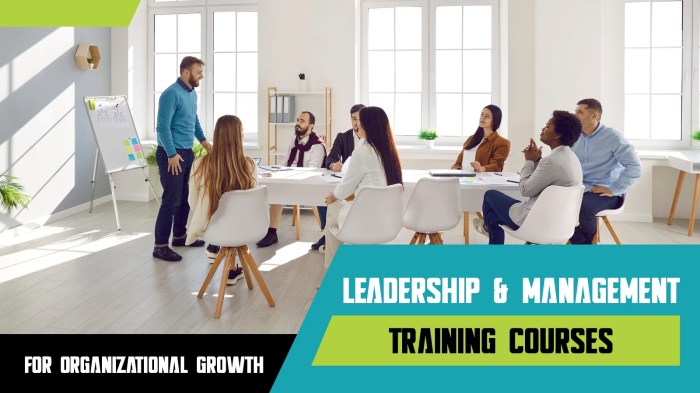
Online courses for leadership and management leverage a variety of innovative learning methodologies designed to enhance the educational experience. These methodologies cater to diverse learning preferences, ensuring that students can engage with the material in a way that suits them best. By utilizing a combination of asynchronous learning, interactive modules, and multimedia resources, these courses provide a dynamic and effective platform for personal and professional growth.Asynchronous learning is a prominent method that allows participants to access course materials at their convenience.
This flexibility enables learners to manage their time effectively, balancing their studies with professional commitments. Meanwhile, interactive modules enhance engagement by incorporating activities that require active participation. This approach fosters a deeper understanding of the content as learners apply concepts in real-world scenarios.
Role of Multimedia Resources
Multimedia resources, such as videos, podcasts, and case studies, play a crucial role in enriching the learning experience within online courses. By integrating various forms of media, these courses cater to different learning styles, making complex concepts more accessible and understandable. Videos provide visual context, allowing learners to see concepts in action, while podcasts offer auditory learning opportunities that can be consumed on the go.
Case studies present real-life challenges and solutions within the leadership and management realm, encouraging critical thinking and application of theoretical knowledge.The integration of multimedia resources not only enhances engagement but also bolsters retention. Studies suggest that learners retain information more effectively when it is presented in multiple formats.
| Learning Methodology | Effectiveness | Best Use Cases |
|---|---|---|
| Asynchronous Learning | Highly effective for flexible schedules | Working professionals balancing studies and work |
| Interactive Modules | Enhances engagement and knowledge retention | Courses requiring active participation and practice |
| Multimedia Resources | Improves understanding and retention | Complex subjects needing visual or auditory support |
“Effective learning methodologies transform the educational experience, making it more engaging and practical.”
Incorporating these methodologies ensures that leadership and management courses not only convey essential knowledge but also prepare students to navigate real-world challenges effectively.
Accreditation and Certification
Accreditation plays a pivotal role in the legitimacy and recognition of online leadership and management courses. It assures learners that the education they receive meets established quality standards, which can significantly influence their career trajectories. Accredited programs are often viewed more favorably by employers, giving graduates a competitive edge in the job market.Accreditation serves as a benchmark for educational quality, ensuring that institutions uphold rigorous academic and professional standards.
It can enhance the credibility of a course, allowing students to confidently pursue their learning with the knowledge that they are receiving a valuable education. Additionally, it often opens doors to further educational opportunities, such as graduate programs or specialized training, that may require prior accredited coursework.
Reputable Organizations Providing Certification
Several reputable organizations offer certification upon the completion of leadership and management courses. These certificates not only validate the skills acquired but also can be crucial for career advancement. Here are some notable organizations:
- Project Management Institute (PMI): Renowned for its project management certification, which is highly respected in various industries.
- International Coach Federation (ICF): Offers coaching certifications that emphasize leadership and personal development skills.
- Chartered Management Institute (CMI): Provides various management certifications that enhance career prospects in the UK and beyond.
- American Management Association (AMA): Known for its wide range of professional development courses and certifications in management.
The certifications from these organizations can significantly impact one’s career. They signal to employers that an individual possesses not only foundational knowledge but also specialized skills that are relevant to specific roles. As a result, certified professionals often experience greater opportunities for promotions, salary increases, and job security.
“Certification can serve as a catalyst for career advancement, opening doors to new opportunities and professional networks.”
Impact of Certification on Career Opportunities
Obtaining certification in leadership and management can dramatically alter one’s professional landscape. Many employers actively seek candidates with recognized certifications, viewing them as indicators of commitment and expertise. The presence of a certification on a résumé can set candidates apart in a competitive job market, as it showcases a dedication to ongoing professional development.Additionally, many organizations offer enhanced career paths for employees who pursue continuing education and certification.
This trend is particularly prevalent in management roles, where the ability to lead effectively is crucial. For instance, a study by the Association for Talent Development found that organizations that invest in employee training report higher employee engagement and retention rates, which can ultimately lead to improved overall performance.
“Certified professionals not only gain enhanced skills but also demonstrate their commitment to excellence, making them attractive candidates for leadership roles.”
Challenges of Online Learning

Online leadership and management courses offer incredible flexibility and opportunities for personal growth. However, they also present unique challenges that can hinder the learning experience. Students often encounter issues such as time management and self-discipline, which can affect their ability to keep up with course material and engage effectively with their peers and instructors. Understanding these challenges is crucial for developing strategies that enhance overall learning outcomes.One of the most prominent challenges faced by students in online courses is time management.
Balancing study time with personal commitments can be tough, especially for those juggling work or family responsibilities. Self-discipline is equally critical, as the online format requires students to take initiative and stay motivated without the structure of a traditional classroom environment.
Common Challenges and Solutions
To address the challenges of online learning, it’s important to implement effective strategies. Here are some common issues along with methods to mitigate them:
- Time management issues: Many students struggle to allocate sufficient time for their studies. Creating a structured schedule can help. Students should set aside dedicated study blocks and use digital calendars or planners to track deadlines. Adding reminders for assignments can also keep them on track.
- Lack of motivation: The absence of a physical classroom can lead to decreased motivation. Setting specific, achievable goals can foster a sense of accomplishment. Additionally, participating in online study groups or forums can create social accountability.
- Technical challenges: Technical difficulties can disrupt the learning experience. Students should ensure they have access to reliable technology and familiarize themselves with the online platforms used in their courses. Institutions often provide resources for troubleshooting and technical support.
- Isolation and lack of interaction: Online learning can feel isolating. Engaging in discussions, reaching out to instructors, and leveraging peer interactions can enhance the sense of community. Participating in live webinars or virtual meetups helps build connections.
“Success in an online course requires not just knowledge but an investment in time and effort.” – Former Online Student
Testimonials from students provide insight into overcoming these challenges. For instance, one student shared that setting daily goals allowed them to maintain focus and prevent procrastination. Another student emphasized the importance of participating in online discussions to stay engaged and connected with classmates. These strategies not only helped them tackle their challenges but also significantly improved their learning outcomes.
Future Trends in Online Leadership and Management Education
The landscape of online leadership and management education is rapidly evolving, influenced by technological advancements and shifting workplace dynamics. As organizations adapt to new challenges and opportunities, educational programs must also transform to equip future leaders with the necessary skills and insights. This discussion highlights emerging trends that are shaping online learning in this field, emphasizing the impact of technology and predicting the skills future leaders and managers will require.
Emerging Trends in Online Education for Leadership and Management
The online education sector is seeing several promising trends that enhance accessibility and engagement. These trends reflect a growing emphasis on personalized learning experiences and the integration of advanced technologies. One prominent trend is the incorporation of artificial intelligence (AI) in course design and delivery. AI can tailor learning paths based on individual progress, preferences, and learning styles, making education more relevant and efficient.
Additionally, immersive technologies like virtual reality (VR) and augmented reality (AR) are creating interactive environments for skill development. For instance, leadership simulations in a virtual space allow learners to practice decision-making in realistic scenarios without real-world consequences.Another significant trend is the rise of microlearning, which focuses on delivering educational content in small, digestible units. This approach promotes better retention and allows learners to engage with materials on their own schedules, a crucial feature for busy professionals.
Impact of Technology on Course Delivery and Engagement
Technological advancements are revolutionizing the way leadership and management courses are delivered. Enhanced video conferencing platforms, which support real-time interaction and collaboration, have become central to online learning environments. These platforms facilitate networking opportunities that are essential for developing leadership skills, as learners can connect with industry experts and peers around the world.Moreover, learning management systems (LMS) now incorporate gamification elements that increase engagement.
Features such as leaderboards, badges, and progress tracking motivate learners to actively participate and complete courses.
“Technology not only enhances course delivery but also fosters a collaborative spirit essential for future leaders.”
Anticipated Skills for Future Leaders and Managers
As the business landscape continues to evolve, future leaders and managers will need a diverse set of skills to navigate complexities and drive innovation. It’s vital to understand these anticipated skills to better shape educational programs.The following skills are expected to be pivotal in the coming years:
- Emotional Intelligence: The ability to understand and manage emotions in oneself and others will be crucial for effective leadership.
- Data-Driven Decision Making: Leaders must be adept at interpreting data to inform strategic decisions, enhancing operational effectiveness.
- Adaptability: The capacity to pivot and adjust strategies in response to rapid changes in the market will define successful leaders.
- Digital Literacy: Proficiency in navigating and leveraging digital tools and platforms is essential for modern management practices.
- Collaboration and Team Dynamics: Skills in fostering a collaborative environment will enhance team performance and innovation.
- Cultural Competence: Understanding and respecting diverse perspectives will be vital in increasingly globalized business contexts.
In summary, the future of online leadership and management education is bright, characterized by technological innovations and a focus on developing essential skills. These elements will prepare upcoming leaders to thrive in an ever-evolving digital landscape.
Last Word

In conclusion, Leadership And Management Courses Online are more than just a means to an end; they represent a valuable investment in personal and professional development. As the demand for effective leaders continues to rise, these courses are pivotal in equipping individuals with the skills needed to navigate the complexities of modern business. Embrace the journey of learning, and unlock your potential to thrive in your career.
FAQ Compilation
What are the typical durations of these courses?
Most online leadership and management courses can range from a few weeks to several months, depending on the depth and format of the program.
Are there any prerequisites for enrollment?
Generally, there are no strict prerequisites; however, some courses may recommend basic knowledge of business concepts or prior experience in a leadership role.
Can I receive financial aid or scholarships for these courses?
Many online platforms offer financial aid or payment plans, and some may also provide scholarships based on merit or need.
How do I choose the right course for my career goals?
Identify your specific career aspirations, research course curricula, and consider factors such as faculty expertise, reviews, and accreditation before making a decision.
Will I have opportunities for networking during the course?
Yes, many online courses facilitate networking through discussion forums, group projects, and virtual events, allowing you to connect with peers and industry professionals.