Finance Degree Online Accredited USA sets the stage for this enthralling narrative, offering readers a glimpse into a story that is rich in detail and brimming with originality from the outset. In today’s fast-paced world, pursuing a finance degree online has become an attractive option for many individuals seeking to advance their careers while balancing personal commitments. With accredited programs available throughout the USA, students can gain essential knowledge and skills in finance from the comfort of their own homes, making it easier than ever to achieve their educational and professional goals.
From understanding the importance of accreditation to exploring various degree options, this discussion will provide a comprehensive overview of online finance degrees, highlighting their benefits, challenges, and future trends.
Overview of Online Accredited Finance Degrees in the USA
Online accredited finance degrees in the USA have gained significant traction in recent years, providing students with the flexibility to pursue their education while balancing work and personal commitments. These programs are designed to equip learners with essential skills and knowledge in finance, investment, and financial management, all while being recognized by educational accrediting bodies.Accreditation plays a crucial role in determining the quality and credibility of finance programs.
It ensures that the education provided meets certain standards set by recognized organizations, ultimately benefiting students as they seek employment after graduation. Accreditation not only enhances the value of the degree but also assures employers that graduates possess the requisite skills and knowledge in the field.
Types of Finance Degrees Available Online
There are various online finance degrees that students can pursue, each catering to different career goals and educational backgrounds. An overview of these degree options includes:
- Associate Degree in Finance: This two-year program lays the foundation for understanding financial principles, preparing students for entry-level positions in finance or a smooth transition to a bachelor’s degree.
- Bachelor’s Degree in Finance: A more comprehensive four-year program that covers advanced topics such as corporate finance, investment analysis, and financial planning, equipping graduates for a range of positions in the finance sector.
- Master’s Degree in Finance (M.S. or M.B.A.): A graduate degree that delves deeper into specialized topics, preparing students for leadership roles in finance. Programs often include coursework in risk management, financial markets, and strategic investment.
- Doctoral Degree in Finance: Aimed at those interested in academic or high-level research positions, this degree focuses on advanced finance theories and methodologies, often culminating in a dissertation.
Each degree type provides students with specific skills and knowledge tailored to various career paths in finance, such as financial analyst, investment banker, or financial consultant. The choice of which degree to pursue often depends on individual career aspirations and the level of commitment a student is willing to make in their education.
“Choosing the right finance degree is essential for aligning educational pursuits with career goals.”
Online accredited finance degrees thus offer a flexible and reputable pathway for students to achieve their professional ambitions in the fast-paced finance industry.
Benefits of Pursuing an Online Finance Degree
Pursuing an online finance degree offers a multitude of benefits, particularly for individuals balancing work and personal commitments. This mode of education has transformed the way people approach their careers, allowing for a more adaptable learning environment. In this section, we will explore the flexibility, cost-effectiveness, and personal growth opportunities associated with online finance programs.
Flexibility for Working Professionals
One of the main advantages of online finance degrees is the flexibility they provide. These programs are specifically designed to accommodate the busy schedules of working professionals. Students can choose when and where to study, allowing them to balance their educational pursuits with job responsibilities and personal commitments. For instance, many online programs offer asynchronous coursework, which means that students can access lectures and complete assignments at their convenience.
This structure is particularly beneficial for individuals who may have unpredictable work hours or family obligations. Being able to participate in classes from home or while traveling eliminates the need for commuting, thereby saving time and reducing stress.
Cost-Effectiveness Compared to Traditional Degrees
Online finance degrees are generally more cost-effective than traditional on-campus programs. The reduction in overhead costs associated with online education often translates to lower tuition fees. Students save on expenses related to commuting, housing, and textbook purchases, which can add up significantly in a traditional college setting.Moreover, many online institutions offer financial aid, scholarships, and payment plans that make education more accessible.
For example, an online bachelor’s degree in finance can range from $15,000 to $30,000 in total costs, while traditional programs may exceed $50,000 when factoring in additional expenses. This affordability allows students to graduate with less debt, providing a solid financial foundation for their future careers.
Personal Growth Opportunities
Studying finance online not only enhances professional skills but also fosters significant personal growth. The curriculum often encourages critical thinking, analytical skills, and ethical decision-making, which are essential in today’s complex financial landscape. Engaging with diverse online communities also allows students to expand their networks and share insights with peers from various backgrounds and experiences. Additionally, many programs emphasize real-world applications of financial principles, enabling students to work on projects or case studies that reflect current industry trends.Furthermore, online finance coursework often incorporates technology, allowing students to become proficient in tools like financial modeling software and data analysis programs.
This technical competency not only boosts employability but also prepares graduates to adapt to an ever-evolving job market.
“Online education empowers students with the flexibility to balance their careers while gaining valuable skills and knowledge in finance.”
Accreditation Agencies for Finance Programs
In the United States, accreditation plays a crucial role in the quality and recognition of finance programs offered by various educational institutions. Accreditation agencies ensure that the programs meet specific standards, providing assurance to students and employers alike regarding the quality of education. This section delves into major accreditation agencies recognized for finance programs and the implications of accreditation on job prospects.
Major Accreditation Agencies for Finance Programs
There are several prominent accreditation agencies that focus on finance programs in the United States. Each agency has its own criteria and focus areas, significantly influencing the educational landscape for prospective finance students. Understanding these agencies can help students choose accredited programs that align with their career goals.
- Association to Advance Collegiate Schools of Business (AACSB): AACSB is one of the most prestigious accrediting bodies for business schools worldwide. Programs accredited by AACSB are recognized for their rigorous standards of excellence in education, particularly in finance and accounting.
- European Quality Improvement System (EQUIS): While primarily focused on European institutions, EQUIS accreditation is also recognized in the U.S. It assesses the quality of education in business schools, including finance programs, with a strong emphasis on internationalization and practical relevance.
- Accreditation Council for Business Schools and Programs (ACBSP): ACBSP offers specialized accreditation for business programs at all levels, including finance. Their focus is on teaching excellence and providing a practical curriculum that meets the needs of the business community.
- Middle States Commission on Higher Education (MSCHE): MSCHE is a regional accrediting agency that evaluates educational institutions in the mid-Atlantic region. Though it covers various disciplines, it has a significant impact on the accreditation of finance programs in institutions it oversees.
Differences Between Regional and National Accreditation
Understanding the distinction between regional and national accreditation is vital for students considering finance programs. Regional accreditation is typically viewed as more prestigious due to its rigorous standards and long-standing recognition in the academic community.
- Regional Accreditation: Generally granted to public and nonprofit institutions, regional accreditation is often associated with higher academic quality. Institutions with this accreditation can offer federal financial aid and are recognized by most universities for transfer credits.
- National Accreditation: National accreditation is often given to trade schools and online programs, focusing on vocational training. Programs may not transfer easily to regionally accredited institutions, and there can be limitations regarding federal financial aid.
Impact of Accreditation on Job Prospects and Employer Recognition
The accreditation status of a finance program significantly influences job prospects and employer perceptions. Employers often favor candidates from accredited programs due to the assurance of quality education.
- Accredited programs enhance a candidate’s resume, signaling to employers that the individual has received a rigorous education that meets industry standards.
- Many employers have established partnerships with accredited institutions for recruitment, giving graduates from these programs an edge in the job market.
- Accreditation helps in building networking opportunities with alumni and industry professionals, further enhancing job prospects for graduates.
The recognition of an accredited finance degree can play a pivotal role in career advancement and job security in the competitive financial sector.
Top Online Accredited Finance Degree Programs in the USA
Exploring the leading online accredited finance degree programs in the USA reveals a range of options that cater to diverse interests and career goals. Each program offers unique strengths, including specialized curriculums, flexible learning formats, and notable faculty expertise. Below is a detailed overview of some of the top programs available.
Leading Online Finance Degree Programs Overview
The following table Artikels key features of some of the top online finance degree programs, highlighting their curriculums, specializations, and unique selling points.
| University | Degree Offered | Key Features | Specialization Options |
|---|---|---|---|
| University of Florida | Online Bachelor of Science in Finance | Accredited by AACSB, renowned faculty, and a strong alumni network | Investment Management, Financial Planning |
| Penn State World Campus | Online Bachelor of Science in Finance | Flexible schedule, high job placement rate, comprehensive curriculum | Corporate Finance, Financial Services |
| Southern New Hampshire University | Online Bachelor of Science in Finance | Affordable tuition, personalized support, and hands-on learning | Financial Planning, Investment Strategies |
| University of Illinois Urbana-Champaign | Online Master of Business Administration (MBA) with Finance Concentration | AACSB accredited, high-ranking program, extensive resources available | Financial Analysis, Risk Management |
| University of Southern California | Online Master of Science in Finance | Prestigious faculty, networking opportunities, global perspective | Corporate Finance, Investment Management |
Each of these programs features a robust curriculum designed to equip students with essential skills in finance. For example, the University of Florida’s program emphasizes investment management and financial planning, preparing students to make informed investment decisions and create financial strategies for individuals and organizations. The curriculum at Penn State World Campus focuses on corporate finance and financial services, ensuring graduates are well-prepared for various roles in the finance sector.
Similarly, Southern New Hampshire University emphasizes financial planning and investment strategies, providing students with practical knowledge essential for success in competitive environments.The University of Illinois Urbana-Champaign offers a master’s program with a finance concentration that covers financial analysis and risk management, making it a great choice for those looking to deepen their knowledge after completing an undergraduate degree. Finally, the University of Southern California’s Master of Science in Finance is ideal for students interested in corporate finance and investment management, with strong networking opportunities.The unique selling points of these programs, such as AACSB accreditation, flexible learning options, and strong industry connections, make them appealing choices for prospective students looking to advance their careers in finance.
Admission Requirements and Application Process
For students interested in pursuing an online accredited finance degree in the USA, understanding the admission requirements and application process is crucial. Each institution may have specific criteria, but there are commonalities that prospective students should be aware of when preparing their applications.Typically, admission requirements for online finance programs encompass various academic and personal qualifications. Many schools seek to ensure that students have a foundational understanding of mathematics and business principles before enrolling.
Furthermore, students may be required to submit standardized test scores, letters of recommendation, and personal statements that Artikel their career aspirations and motivations.
Common Admission Requirements for Online Finance Programs
The admission criteria for online finance degrees generally include the following components:
- High School Diploma or Equivalent: Applicants must possess a high school diploma or GED. Some programs may consider college coursework in lieu of a diploma.
- Transcripts: Submission of official transcripts from previous educational institutions is typically required to verify academic performance.
- Standardized Test Scores: Many programs require scores from exams such as the SAT or ACT. Some institutions may waive this requirement based on prior college experience.
- Personal Statement: A well-crafted personal statement detailing the applicant’s interest in finance, career goals, and reasons for choosing the specific program is often necessary.
- Letters of Recommendation: Some programs request one or two letters of recommendation from teachers, employers, or professionals who can speak to the applicant’s qualifications and character.
- Resume: A current resume highlighting relevant work experience, skills, and achievements may be required to assess the applicant’s background.
Application Process Step-by-Step
Navigating the application process for an online finance degree can be straightforward if approached methodically. Here’s a typical step-by-step guide for prospective students:
- Research Programs: Identify online finance programs that align with career goals and interests. Consider factors such as accreditation, curriculum, faculty, and support services.
- Prepare Required Documents: Gather necessary documents including transcripts, test scores, personal statements, letters of recommendation, and resumes.
- Complete Application Form: Fill out the online application form for each chosen institution. Pay attention to specific instructions and deadlines.
- Submit Application Fee: Most institutions require a non-refundable application fee. Ensure payment is completed as per the guidelines.
- Follow Up: Confirm receipt of the application and required documents with the admissions office. This can often be done via email or the institution’s online portal.
- Await Decision: Admissions committees will review applications and notify applicants of their decision via email or postal mail, often within a few weeks to months.
- Enrollment: Upon acceptance, follow the enrollment instructions, which may include securing financial aid, registering for classes, and completing orientation.
Documents Typically Needed for Applying to Finance Degrees
When applying for online finance degrees, applicants should prepare the following documents to ensure a complete application:
- High school diploma or equivalent
- Official college transcripts
- Standardized test scores (if required)
- Personal statement
- Letters of recommendation
- Resume or CV
In summary, understanding the admission requirements and the application process is essential for prospective students aiming to pursue an online accredited finance degree in the USA. Each program may have its own specifics, but being prepared with the right documents and following a structured application process can significantly enhance one’s chances of acceptance.
Career Opportunities with an Online Finance Degree

Graduates with an online finance degree have access to a wide array of career paths that span various industries. The finance sector is pivotal in driving business strategies and economic growth, making finance professionals highly sought after. With the right qualifications, graduates can embark on rewarding careers that not only promise good salaries but also significant growth potential.Finance graduates can find themselves in diverse roles such as financial analysts, investment bankers, and financial planners.
Each of these positions requires a unique set of skills and offers different salary expectations and job growth potential. Understanding these career opportunities can help graduates make informed decisions about their professional futures.
Career Paths and Salary Expectations, Finance Degree Online Accredited USA
Various roles in finance provide distinct challenges and rewards. Below is an overview of some common job titles available to finance degree holders, along with the skills required and average salary expectations.
| Job Title | Required Skills | Average Salary (USD) |
|---|---|---|
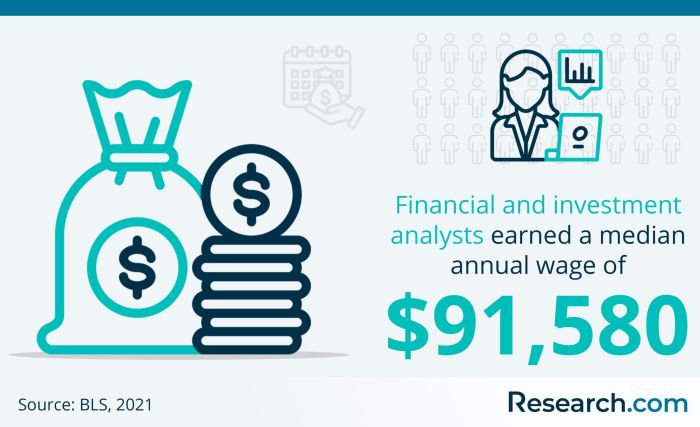
| Financial Analyst | Analytical skills, attention to detail, financial modeling | $83,660 |
| Investment Banker | Negotiation skills, analytical skills, financial expertise | $100,000 – $150,000 |
| Financial Planner | Interpersonal skills, analytical skills, business knowledge | $89,330 |
| Chief Financial Officer (CFO) | Leadership, strategic planning, financial acumen | $132,000 – $200,000 |
| Risk Manager | Analytical skills, problem-solving, communication | $116,000 |
The salary ranges can vary significantly based on factors such as location, experience, and the size of the company. For example, an investment banker in New York may earn substantially more than one in a smaller market.
“The finance industry is not just about numbers; it’s about strategic decisions that impact the entire business landscape.”
Overall, pursuing an online finance degree opens doors to numerous lucrative and fulfilling career opportunities, equipping graduates with essential skills and knowledge to thrive in the competitive finance sector.
Challenges of Studying Finance Online

Pursuing an online finance degree can be a rewarding experience, but it also comes with its own set of challenges. Students may face difficulties related to time management, self-discipline, and technical issues. Understanding these challenges is crucial to navigating the online learning environment effectively.One of the most prevalent challenges is the lack of face-to-face interaction, which can lead to feelings of isolation.
Online learners may struggle to connect with peers and instructors, making collaboration and networking more difficult. Additionally, maintaining motivation and focus in a self-paced environment requires strong self-discipline.
Common Challenges Faced by Online Finance Students
Identifying specific challenges can help students prepare and develop strategies to overcome them. Here are some common difficulties encountered by those pursuing an online finance degree:
- Limited Interaction: Online students often miss the personal engagement that comes with traditional classrooms, affecting their learning experience.
- Self-Motivation: Without a structured environment, some students may find it challenging to stay motivated and committed to their studies.
- Technical Issues: Students may encounter problems with online platforms, such as connectivity issues or unfamiliarity with digital tools.
- Time Management: Balancing coursework with personal and professional responsibilities can be overwhelming without effective planning.
- Understanding Complex Concepts: Finance topics can be intricate and require a solid grasp of mathematical and analytical skills, which may be difficult for some learners.
Strategies to Overcome Online Learning Challenges
To thrive in an online finance program, students can employ various strategies tailored to address these challenges. Here are some effective approaches:
- Engage Actively: Participate in discussion forums, group projects, and virtual meetups to foster connections with classmates and instructors.
- Set Clear Goals: Define specific, measurable objectives for each week to maintain focus and accountability for your studies.
- Utilize Resources: Take advantage of online tutoring, academic advising, and library resources to clarify complex topics and enhance understanding.
- Establish a Study Routine: Create and stick to a consistent study schedule that aligns with personal productivity peaks, integrating breaks to avoid burnout.
- Seek Technical Support: Familiarize yourself with the online learning platform and reach out for help whenever technical difficulties arise.
Time Management Techniques for Online Finance Education
Effective time management is vital for success in an online finance degree program. Implementing specific techniques can help students stay organized and productive. Here are some strategies:
- Prioritize Tasks: Use tools like the Eisenhower Matrix to distinguish between urgent and important tasks, allowing you to focus on what truly matters.
- Use a Planner: Keep a digital or physical planner to track deadlines, assignments, and exam dates, promoting better organization.
- Break Down Large Projects: Divide assignments into smaller, manageable tasks, setting deadlines for each segment to avoid last-minute cramming.
- Implement Time Blocking: Dedicate specific blocks of time to study different topics, allowing for undistracted focus during those periods.
- Reflect and Adjust: Regularly assess your time management strategies and make necessary adjustments to stay aligned with academic goals.
“Time management is not about finding more time; it’s about making the most of the time you have.”
By recognizing the challenges and employing practical strategies, students can enhance their online learning experience and successfully navigate the complexities of obtaining a finance degree online.
Resources and Support for Online Finance Students: Finance Degree Online Accredited USA
Online finance students have access to a variety of resources and support systems designed to enhance their educational experience and career prospects. These resources aim to provide academic assistance, career guidance, and networking opportunities, which are vital for success in the finance industry. Embracing these resources can significantly improve both learning outcomes and professional readiness.Networking plays a critical role in the finance sector.
Building relationships with peers, professors, and industry professionals can open doors to internships, job placements, and collaborations. Engaging with alumni and attending virtual events can lead to invaluable insights and opportunities in the finance field, making it essential for students to leverage these networking opportunities.
Essential Resources for Online Finance Students
Several resources are available to aid online finance students in their educational journey. Below is a list of essential academic and career support resources:
- Academic Advising: Personalized guidance from academic advisors can help students navigate their degree requirements, select courses, and plan their academic paths effectively.
- Tutoring Services: Access to tutoring services ensures students receive additional help in challenging subjects, enhancing their understanding of finance principles.
- Library Access: Online finance students typically have access to extensive digital libraries, including e-books, academic journals, and financial databases, which are valuable for research and study.
- Career Services: Many institutions offer career services that include resume writing workshops, interview preparation, and job search assistance tailored to finance careers.
- Online Forums and Study Groups: Joining online forums or study groups fosters collaboration and peer support, allowing students to discuss concepts and share resources.
Online Tools and Platforms for Finance Studies
Utilizing the right tools and platforms can significantly enhance the learning process for online finance students. Here are some effective online tools that support finance studies:
- Learning Management Systems (LMS): Platforms like Canvas or Blackboard provide a centralized location for course materials, assignments, and grades.
- Financial Modeling Software: Tools such as Excel and Tableau are essential for creating financial models, analyzing data, and visualizing trends.
- Online Course Platforms: Websites like Coursera and edX offer supplemental courses in finance topics, allowing students to broaden their knowledge at their own pace.
- Investment Simulators: Platforms like Investopedia Simulator allow students to practice trading and investing without real financial risk, helping them apply theoretical knowledge to practical situations.
- Webinars and Virtual Conferences: Online events provide opportunities to learn from industry experts and network with professionals in the finance field.
“Networking is not just about what you know, but who you know.”
This emphasizes the importance of building connections in the finance industry.
Future Trends in Online Finance Education
The landscape of online finance education is rapidly evolving, influenced by technological advancements and changing learner needs. As more students seek flexible learning options, online finance programs are adapting to stay relevant and effective in delivering quality education. This transformation is not only shaping the way finance is taught but also the skills that graduates will possess.The integration of technology is a driving force behind these changes in finance degree programs.
With the rise of online learning platforms and digital resources, students can access a wealth of information and interactive learning tools. This shift towards technology-enhanced education allows for a more engaging and personalized learning experience. Institutions are increasingly utilizing technologies such as artificial intelligence, big data analytics, and blockchain to enrich their curricula and prepare students for the complexities of modern finance.
Emerging Technologies in Finance Education
Emerging technologies are significantly influencing the way finance education is delivered. Institutions are incorporating various digital tools to enhance the learning experience. Notable technologies include:
- Artificial Intelligence (AI): AI is used to provide personalized learning pathways, allowing students to focus on areas where they need improvement and receive instant feedback.
- Big Data Analytics: Programs are now integrating big data courses, teaching students how to analyze and interpret vast amounts of financial data, a crucial skill in today’s data-driven economy.
- Blockchain Technology: Curriculum is being updated to include blockchain applications in finance, preparing students for innovations in areas like cryptocurrency and smart contracts.
- Virtual Reality (VR): Some institutions are exploring VR to create immersive learning environments, allowing students to simulate real-world financial scenarios and decision-making processes.
Curriculum Changes in Finance Programs
As the finance industry evolves, so must the curriculum of finance degree programs. Future trends indicate a shift in focus toward practical and applicable skills. The following changes are anticipated in finance curricula:
- Data Science and Financial Modeling: Programs will increasingly require knowledge of data science, enabling students to apply quantitative methods and enhance their analytical capabilities.
- Ethical Finance and Sustainability: With growing awareness of corporate responsibility, courses on ethical finance practices and sustainable investing will become more prevalent.
- Global Finance Trends: The curriculum will likely include more content on international finance, reflecting the interconnectedness of global markets and the importance of cross-border transactions.
- Soft Skills Development: In addition to technical skills, programs will place greater emphasis on soft skills such as communication, leadership, and teamwork, which are vital in professional settings.
“The future of finance education will hinge on adapting to technological advancements while ensuring students develop a comprehensive skill set that meets market demands.”
The delivery methods of finance education are also expected to become more flexible and diverse. Blended learning models, which combine online and in-person instruction, will likely gain popularity, offering students the best of both worlds. Furthermore, micro-credentialing and short courses are emerging as effective ways for professionals to upskill without committing to a full degree program. These innovations ensure that online finance education remains accessible and aligned with industry needs, preparing graduates for successful careers in a dynamic economic landscape.
Ultimate Conclusion
In conclusion, the journey through Finance Degree Online Accredited USA showcases the dynamic opportunities that lie ahead for aspiring finance professionals. By embracing online education, students not only gain access to invaluable resources but also prepare themselves to navigate the ever-evolving world of finance. As the landscape of online learning continues to change, those equipped with an accredited finance degree will be well-positioned to seize the abundant career prospects that await them.
Question & Answer Hub
What is an accredited finance degree?
An accredited finance degree is a program that has been officially recognized by an external agency as meeting specific educational standards, ensuring quality and value in the education received.
How long does it take to earn an online finance degree?
The duration typically ranges from 18 months to 4 years, depending on the program and whether the student is studying full-time or part-time.
Are online finance degrees respected by employers?
Yes, as long as the degree is from an accredited institution, online finance degrees are generally well-respected by employers.
Can I work while studying for an online finance degree?
Absolutely, online programs offer flexibility that allows students to balance work and study effectively.
What are the common career paths for finance graduates?
Common career paths include financial analyst, accountant, financial planner, and investment banker, among others.