Cloud Computing Certification Online AWS opens doors to a world of opportunities in the tech industry, making it an essential asset for aspiring professionals. As organizations rapidly shift their operations to the cloud, the demand for certified experts continues to soar. This certification not only validates your skills but also enhances your employability in a competitive job market.
Whether you’re a beginner seeking to enter the field or an experienced professional aiming to upgrade your skills, understanding the various certification paths and benefits of pursuing AWS certifications online can significantly impact your career trajectory.
Overview of Cloud Computing Certification
The rapid evolution of technology has made cloud computing a cornerstone of modern IT infrastructure. As businesses increasingly shift their operations to cloud platforms, the demand for skilled professionals with relevant certifications has skyrocketed. Cloud computing certifications are crucial for validating expertise, improving job prospects, and establishing credibility in the workforce.Cloud computing certifications offer a structured path for individuals looking to enhance their skills in this growing field.
With a variety of certification paths available, including those from Amazon Web Services (AWS), professionals can choose the best fit for their career goals. These certifications validate a range of skills and knowledge, providing a competitive edge in the job market.
Importance of Cloud Computing Certifications
Cloud computing certifications are essential for those seeking to distinguish themselves in a crowded job market. Employers are often on the lookout for candidates who have demonstrated their ability to work with cloud technologies effectively. The importance of these certifications can be highlighted through several key points:
- Demonstrated Expertise: Certifications prove that an individual possesses the necessary knowledge and skills to manage cloud services, increasing their employability.
- Career Advancement: Many organizations prefer or even require certifications for promotional opportunities, making them vital for career growth.
- Industry Recognition: Certifications from reputable providers like AWS are recognized industry-wide, establishing credibility and trust with potential employers.
- Staying Current: The field of cloud computing is continuously evolving, and certifications help professionals stay updated on the latest tools, technologies, and best practices.
Cloud Computing Certification Paths
The landscape of cloud computing certifications is diverse, with various paths tailored to different roles and levels of expertise. Among the most recognized providers, AWS offers a comprehensive suite of certifications designed to cater to various professional needs. Here’s an overview of the popular certification paths:
- AWS Certified Solutions Architect: Focuses on designing distributed systems and understanding AWS services.
- AWS Certified Developer: Concentrates on developing and maintaining applications on the AWS platform.
- AWS Certified SysOps Administrator: Targets the operational aspects of managing and deploying applications on AWS.
- AWS Certified DevOps Engineer: Combines development and operations skills for continuous delivery and automated processes.
Skills and Knowledge Validated by Certifications
Cloud computing certifications validate specific competencies that are critical for success in cloud-related roles. The skills and knowledge typically covered in these certifications include:
- Cloud Architecture: Understanding of cloud infrastructure and services to design efficient cloud solutions.
- Security Best Practices: Knowledge of best practices for securing cloud environments to protect sensitive data.
- Cost Management: Ability to monitor and manage cloud costs effectively to optimize resources.
- Networking: Proficiency in configuring and managing network services in a cloud environment.
- Compliance and Governance: Awareness of compliance requirements and governance frameworks applicable to cloud services.
“Cloud computing certifications serve as a benchmark for professional capabilities, reflecting both theoretical knowledge and practical application.”
AWS Certifications
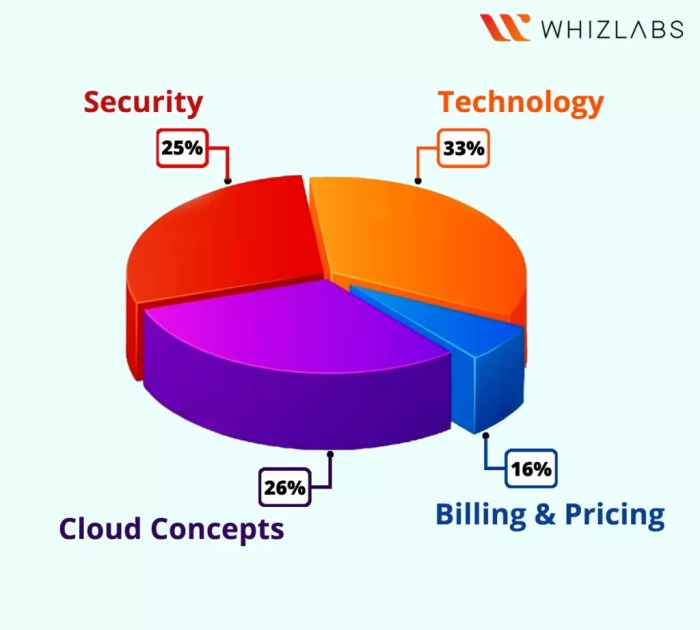
AWS certifications are a testament to your expertise in cloud computing and your ability to utilize AWS services effectively. These certifications cater to various roles and skill levels, making them suitable for cloud practitioners, developers, architects, and operations professionals. Earning an AWS certification can significantly enhance your career prospects, enabling you to validate your skills and stand out in a competitive job market.The AWS certification program offers several credentials that range from foundational to advanced levels, each targeting specific audience segments.
Below is an overview of the various AWS certifications available and their intended audience:
Overview of AWS Certifications
AWS certifications are categorized into four primary paths: Foundational, Associate, Professional, and Specialty.
- Foundational: The AWS Certified Cloud Practitioner is designed for individuals who are new to the cloud and provides a basic understanding of AWS services. It’s suitable for sales, marketing, and finance roles looking to gain insights into AWS cloud technology.
- Associate: There are three associate-level certifications:
- AWS Certified Solutions Architect – Associate, aimed at solution architects and those looking to build effective cloud solutions.
- AWS Certified Developer – Associate, which targets developers who create and maintain applications on AWS.
- AWS Certified SysOps Administrator – Associate, tailored for system administrators managing and operating AWS environments.
- Professional: The professional-level certifications include AWS Certified Solutions Architect – Professional and AWS Certified DevOps Engineer – Professional. These are for experienced cloud professionals who have a deep understanding of AWS and are responsible for complex cloud architecture and DevOps practices.
- Specialty: Specialty certifications are available for specific technical areas. Examples include AWS Certified Advanced Networking, AWS Certified Big Data, and AWS Certified Security. These are ideal for individuals focusing on specialized roles or advanced technical skills in specific domains.
The prerequisites for obtaining AWS certifications vary by level. While there are no formal prerequisites for the foundational certification, the associate and professional certifications recommend a certain level of hands-on experience with AWS services. For instance, it is suggested to have at least six months of practical experience for associate-level certifications, while professional certifications typically require two or more years of hands-on experience.
Differences Between AWS Certification Levels
AWS certifications can be segmented into three main categories: associate, professional, and specialty, each serving distinct purposes and audiences.
- Associate Certifications: These certifications validate foundational skills and knowledge in AWS services. They are best suited for individuals transitioning into cloud roles or looking to formalize their understanding of AWS. The exams often focus on practical scenarios and use cases, allowing candidates to demonstrate their capabilities in real-world applications.
- Professional Certifications: Aimed at seasoned AWS users, these certifications validate advanced skills and a deeper understanding of AWS architecture and services. The exams are more challenging, often requiring candidates to solve complex architectural scenarios and demonstrate extensive experience in AWS environments.
- Specialty Certifications: These certifications focus on niche areas of expertise within AWS. They are designed for professionals who want to demonstrate specialized knowledge in fields like machine learning, security, or advanced networking. These credentials typically require a deep understanding of specific AWS services and best practices.
“AWS certifications validate your expertise and enhance your career prospects in a rapidly evolving cloud landscape.”
Advantages of Online AWS Certification

The rise of online learning has transformed the way professionals pursue certifications, especially in the tech industry. AWS certifications have gained immense popularity, and opting for the online route offers significant advantages that cater to the modern learner’s needs and lifestyle. Flexibility and convenience are key benefits associated with online AWS certification programs. Professionals can study at their own pace without the constraints of a fixed schedule, allowing them to balance their work, personal life, and learning effectively.
This mode of learning breaks geographical barriers, enabling individuals from different locations to access the same quality of education.
Cost-Effectiveness of Online Certification Programs
Online AWS certification programs often present a more budget-friendly alternative to traditional classroom settings. The overall costs associated with pursuing certifications online can be significantly lower, as learners can save on travel expenses, accommodation, and other related costs incurred in physical classrooms. Key factors contributing to the cost-effectiveness of online certifications include:
- Reduced Tuition Fees: Many online platforms offer competitive pricing that can be more affordable than in-person courses.
- No Commuting Costs: The elimination of travel expenses allows learners to redirect their finances toward resources or tools that enhance their learning experience.
- Access to Free Resources: Numerous platforms provide free or low-cost study materials and practice exams, which can significantly lower the overall investment in certification preparation.
Resources Available for Online Learners
The wealth of resources available for learners pursuing AWS certifications online is a considerable advantage that enhances the learning experience. Many online programs provide comprehensive tools and materials designed to support various learning styles and preferences.Essential resources typically include:
- Interactive Learning Modules: Engaging content formats such as videos, quizzes, and labs that accommodate different learning preferences.
- Community Support: Access to forums and discussion groups where learners can share insights, ask questions, and network with peers and industry professionals.
- Mentorship Opportunities: Some platforms offer mentorship programs, connecting learners with experienced professionals who can provide guidance and support throughout their certification journey.
- Practice Exams: Many online providers include access to practice exams that help learners gauge their knowledge and readiness for the actual certification tests.
“Online AWS certification opens doors not just to knowledge but to a world of opportunities, making it an investment that pays dividends in both personal and professional growth.”
Preparation for AWS Certification Exams
Preparing for AWS certification exams requires a structured approach to ensure you cover all necessary topics and gain practical experience. A well-crafted study plan will guide you through your learning process, making the journey more efficient and manageable.A successful preparation strategy integrates various learning resources. This includes selecting the right books that provide foundational knowledge, enrolling in online courses that offer guided instruction, and utilizing practice exams to gauge your readiness.
Each of these components contributes uniquely to your understanding of AWS and helps solidify your learning.
Study Plan Development
Creating a detailed study plan helps you stay organized and focused on your preparation. Consider incorporating the following elements to make your study sessions effective:
- Books: Choose titles that are highly recommended for AWS certification, such as “AWS Certified Solutions Architect Official Study Guide” or “AWS Certified Developer Official Study Guide.”
- Online Courses: Platforms like Coursera, Udemy, and AWS Training offer comprehensive courses tailored to various certification levels.
- Practice Exams: Use resources like Whizlabs and AWS’s own practice questions to familiarize yourself with the exam format.
The importance of hands-on experience with AWS tools and services cannot be overstated when preparing for the exams. Engaging in practical exercises allows you to apply theoretical knowledge, making it easier to understand complex concepts.
Importance of Hands-on Experience
To truly grasp AWS services, hands-on experience is essential. Consider the following activities to enhance your practical skills:
- AWS Free Tier: Utilize the AWS Free Tier to experiment with services like EC2, S3, and RDS without incurring costs.
- Projects: Build small projects that replicate real-world scenarios, such as creating a web application or setting up a database.
- Labs: Participate in guided labs from platforms like A Cloud Guru or Linux Academy to gain step-by-step experience.
Engaging with AWS services helps reinforce your understanding and prepares you for scenario-based questions on the exam.
Effective Study Techniques
Retaining complex information is crucial for success in AWS certification exams. Implementing effective study techniques can significantly enhance your learning experience:
- Active Recall: Test yourself frequently on what you’ve learned; this technique helps reinforce memory retention.
- Spaced Repetition: Review material at spaced intervals to improve long-term retention of information.
- Mind Mapping: Create visual maps that connect concepts and services; this aids in understanding relationships and dependencies.
“Learning is not the product of teaching. Learning is the product of the activity of learners.” – John Holt
Utilizing these study techniques, combined with a robust study plan and hands-on experience, will prepare you effectively for AWS certification exams and enhance your overall understanding of cloud computing.
Online Platforms for AWS Certification
In the fast-evolving realm of cloud computing, numerous online platforms have emerged, providing excellent resources for AWS certification preparation. Each platform comes with its unique features, catering to different learning styles and preferences. Choosing the right one can enhance your learning experience and help you achieve your certification goals efficiently.Several online platforms offer AWS certification courses, each with distinct offerings that can aid your preparation.
Below is a comparison of popular platforms and their unique features:
Comparison of Online Platforms
When selecting a platform for AWS certification courses, consider the following options that are well-regarded in the industry:
- Udemy: Known for its extensive course library, Udemy offers a variety of AWS-related courses taught by experienced instructors. With lifetime access to purchased courses and the ability to learn at your own pace, it’s a great option for self-motivated learners.
- A Cloud Guru: This platform specializes in cloud training and offers a hands-on learning experience with real-world scenarios. It features a unique lab environment where you can practice AWS skills directly, making it ideal for practical learners.
- Coursera: Partnered with leading universities and institutions, Coursera provides courses that offer a blend of theoretical knowledge and practical skills. Its courses are often part of larger specialization tracks, which can be beneficial for comprehensive learning.
- Pluralsight: Focused on technology skills, Pluralsight provides structured learning paths for AWS certifications. Its platform allows you to assess your skills and creates a personalized learning journey based on your progress.
- LinkedIn Learning: Offering a vast array of courses, LinkedIn Learning is ideal for professionals looking to develop their skills while also building their LinkedIn profiles. Courses are crafted by industry experts, ensuring up-to-date content.
In addition to these platforms, several reputable online educators and training programs provide excellent preparation for AWS certification:
Reputable Online Educators and Training Programs
Engaging with well-known educators can significantly influence your understanding and retention of AWS concepts. Here are some notable names in AWS training:
- Linux Academy: Now part of A Cloud Guru, it was renowned for its high-quality AWS training and extensive community support.
- FreeCodeCamp: Known for its free resources, FreeCodeCamp offers video tutorials and hands-on labs for those interested in AWS without the financial commitment.
- AWS Training and Certification: The official AWS training portal provides comprehensive resources, including free digital training courses and practice exams.
Participating in online communities and forums can significantly enhance your learning experience when preparing for AWS certifications.
Benefits of Engaging with Online Communities, Cloud Computing Certification Online AWS
Active engagement in online communities provides valuable opportunities for networking, knowledge sharing, and support. These forums are often filled with fellow learners, experienced professionals, and AWS experts willing to share insights and resources.
“Collaboration and discussion in forums often lead to a deeper understanding of complex AWS concepts.”
Some benefits of engaging in online communities include:
- Peer Support: Joining forums or groups dedicated to AWS can allow you to share your challenges and solutions with others who are studying for the same certification.
- Access to Resources: Many communities share exclusive study materials, practice questions, and tips that can aid in your preparation.
- Real-World Insights: Interactions with industry professionals can provide practical insights and current trends that are invaluable for understanding AWS applications.
- Motivation: Being part of a community can provide the encouragement needed to stay committed to your study schedule, making the learning process more enjoyable.
These platforms, educators, and communities create a rich ecosystem for anyone pursuing AWS certification, ensuring that learners have access to diverse resources and support networks that foster effective and engaging study experiences.
Industry Recognition and Career Impact
Obtaining AWS certifications is a significant step towards enhancing one’s career in the tech industry. As organizations continue to shift their operations to the cloud, the demand for skilled professionals with cloud expertise is on the rise. AWS certifications serve as a hallmark of proficiency in cloud computing, making certified individuals highly sought after in the job market.Certified professionals often experience a substantial boost in their job prospects and salary potential.
According to recent studies, it has been reported that AWS-certified individuals can command salaries that are significantly higher than their non-certified peers. In fact, a survey conducted by Global Knowledge indicated that professionals with AWS certifications earn an average salary of over $130,000 per year. This is a compelling incentive for many to pursue these certifications, especially considering the relatively short time frame needed for preparation.
Hiring Trends for AWS-Certified Professionals
The trend of hiring AWS-certified professionals has seen a notable uptick in various industries. Companies are increasingly recognizing the value that certified individuals bring to their teams. Employers are looking for candidates who can effectively manage cloud infrastructure and optimize cloud services. Key statistics illustrate this growing trend:
- According to LinkedIn, job postings requiring AWS certification have increased by 25% year-over-year.
- A study by Burning Glass Technologies found that AWS certifications were among the top ten most in-demand certifications in the tech industry.
- Over 70% of hiring managers stated they prioritize candidates with AWS certifications when hiring for cloud-related positions.
These statistics highlight the crucial role that AWS certifications play in shaping hiring strategies in tech companies, further reinforcing the certification’s importance for career advancement.
Long-Term Career Benefits of AWS Certifications
The long-term career benefits of obtaining AWS certifications extend beyond immediate job placement and salary increases. Professionals who invest in AWS certifications can expect numerous ongoing advantages throughout their careers. Key benefits include:
- Enhanced credibility and recognition within the industry, leading to increased networking opportunities.
- Access to exclusive AWS training and resources, which can aid in continuous professional development.
- The ability to pivot into new roles or responsibilities as companies evolve their cloud strategies.
- Increased job security in a rapidly changing job market, where cloud skills are becoming essential.
These advantages not only bolster an individual’s current position but also provide a solid foundation for future career growth and opportunities in the ever-evolving field of cloud computing.
Challenges in Pursuing AWS Certifications
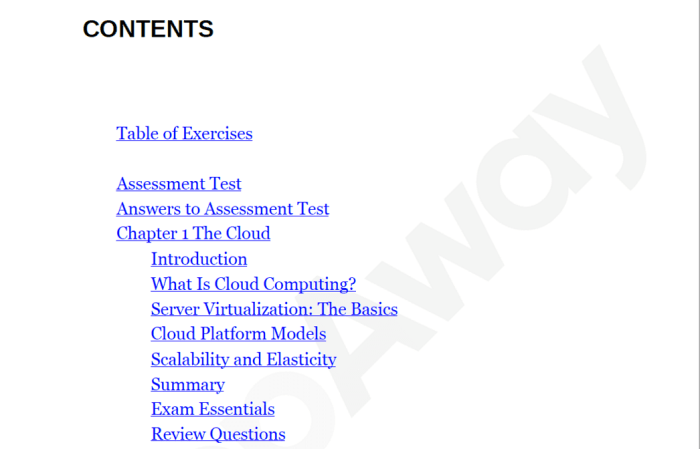
Pursuing AWS certifications online can be a rewarding endeavor, but it is not without its challenges. Many learners face obstacles that can hinder their progress. Understanding these challenges and developing strategies to overcome them is essential for success in certification programs.One of the primary challenges learners encounter is the lack of structured guidance. With online courses, the responsibility of time management falls entirely on the learner.
Distractions at home or difficulties in maintaining a study schedule can impede progress. Additionally, the vast amount of information can be overwhelming, making it hard to determine which areas to focus on for the exams.
Common Challenges Faced by Learners
Several common challenges can arise during the pursuit of AWS certifications online. Identifying these can help learners prepare more effectively.
Self-discipline
The flexibility of online learning often leads to procrastination. Learners may struggle to stick to a study schedule without rigid deadlines.
Technical difficulties
Issues with internet connectivity or unfamiliarity with online platforms can disrupt the learning process.
Resource overload
The sheer volume of study materials available can leave learners unsure of where to start, often leading to confusion or wasted time.
Exam anxiety
The pressure of taking a certification exam can be daunting, resulting in nervousness that impacts performance.
Strategies to Overcome Obstacles
To navigate the challenges associated with AWS certification programs, learners can implement specific strategies.
Create a study plan
Developing a clear and structured study schedule can help manage time effectively. This includes setting aside dedicated time blocks for studying and adhering to them as if they were class hours.
Utilize online communities
Joining forums or study groups can provide support and accountability. Engaging with others on platforms like Reddit or LinkedIn can foster a sense of community and motivation.
Limit resources
Select a few high-quality resources rather than trying to use everything available. Focusing on trusted materials can streamline learning.
Practice exams
Taking practice tests can help reduce exam anxiety and familiarize learners with the exam format. This practice builds confidence and identifies areas needing improvement.
Personal Anecdotes of Successful Learners
Many individuals have successfully navigated the challenges of obtaining AWS certifications online, and their stories can provide inspiration.One learner, Sarah, shared her experience of juggling a full-time job and studying for the AWS Certified Solutions Architect exam. By dedicating a couple of hours each evening and using weekends for intensive study sessions, she managed to pass the exam on her first attempt.
Sarah emphasized the importance of resilience and the need to stay focused, stating, “Every hour spent studying brought me closer to achieving my goal.”Another example is Mark, who faced technical challenges during his preparation. He had to troubleshoot various online learning platforms but found that reaching out to support teams and utilizing free online resources made a significant difference. Mark noted, “The learning curve was steep at first, but once I figured out the system, I was able to focus and succeed.”
Future Trends in Cloud Computing Certifications
As the world of technology continues to evolve at an unprecedented pace, cloud computing remains at the forefront of innovation. With organizations increasingly adopting cloud solutions, the demand for skilled professionals capable of navigating this landscape is surging. This shift not only impacts the skills required but also shapes the certification landscape, leading to new opportunities and requirements for cloud computing professionals.The future of cloud computing certifications is poised to reflect the rapid changes in technology, as new tools, methodologies, and practices emerge.
To stay competitive, certification bodies like AWS will likely introduce new certifications that align with these advancements. Cloud technologies such as serverless computing, container orchestration, and artificial intelligence are shaping how services are delivered and managed, necessitating a reevaluation of existing certification criteria.
Emerging Trends in Cloud Computing
The landscape of cloud computing is continuously evolving, with several trends that are likely to influence certification requirements:
- Serverless Architecture: As serverless computing gains traction, certifications focused on building and managing serverless applications may become essential. Professionals equipped with skills in this area will be critical as organizations seek to optimize costs and improve efficiency.
- Multi-Cloud Strategies: The growing preference for multi-cloud environments will likely necessitate certifications that emphasize interoperability and management across different cloud platforms, including AWS, Azure, and Google Cloud.
- AI and Machine Learning Integration: With AI and machine learning becoming integral to cloud services, certifications that cover these domains will be increasingly relevant. Professionals will need to understand how to implement and manage AI-driven solutions within cloud infrastructures.
- Security and Compliance: As cyber threats grow in complexity, certifications focused on cloud security, data protection, and compliance with regulations like GDPR will become vital to ensure organizations maintain trust and security.
Potential New AWS Certifications
With the ongoing evolution of cloud technologies, AWS is likely to expand its certification offerings. Potential new certifications may include:
- AWS Certified Serverless Developer: This certification could focus on developing applications using AWS Lambda and other serverless technologies, validating a professional’s ability to design and deploy scalable applications.
- AWS Certified Multi-Cloud Architect: As more businesses adopt multi-cloud strategies, this certification could assess the skills needed to manage and integrate services across different cloud platforms seamlessly.
- AWS Certified AI/ML Specialist: Focusing on the implementation of AI and machine learning solutions within AWS, this certification would ensure professionals are equipped with the necessary knowledge to leverage these technologies effectively.
- AWS Certified Cloud Security Professional: Addressing the increasing importance of security in cloud environments, this certification would focus on best practices for protecting cloud-based resources and ensuring compliance.
Future Demand for Certified Cloud Professionals
The demand for certified cloud professionals is expected to continue its upward trajectory across various industries. Organizations of all sizes are recognizing the need for skilled individuals who can help navigate the complexities of cloud adoption and management. Key factors driving this demand include:
- Digital Transformation: Companies are increasingly digitizing their operations, resulting in a heightened need for cloud expertise. Technologies such as IoT and big data analytics further amplify this demand, requiring professionals who can harness cloud capabilities effectively.
- Remote Work and Collaboration: The rise of remote work has accelerated the adoption of cloud-based collaboration tools. As businesses seek to enhance their digital infrastructures, the need for certified cloud professionals to manage and support these systems will remain high.
- Innovation and Competitive Edge: Organizations striving to maintain a competitive edge are investing in cloud technologies, which in turn drives the need for certified professionals who can implement innovative solutions and optimize existing services.
- Talent Shortage: Despite the growing demand, there is a notable shortage of skilled cloud professionals. This gap presents a significant opportunity for individuals pursuing cloud certifications to position themselves favorably in the job market.
As cloud computing continues to evolve, the relevance of certifications will be paramount in ensuring professionals stay ahead of the curve and are equipped to meet the demands of tomorrow’s technological landscape.
Epilogue: Cloud Computing Certification Online AWS
In summary, Cloud Computing Certification Online AWS equips individuals with the knowledge and credentials necessary to thrive in the evolving tech landscape. By embracing the flexibility of online learning and leveraging available resources, you can overcome challenges and position yourself for a successful future in cloud computing. The journey towards certification may be demanding, but the rewards are undoubtedly worth the effort.
FAQ Guide
What are the prerequisites for AWS certifications?
Most AWS certifications recommend having a foundational understanding of cloud concepts and some hands-on experience with AWS services, depending on the specific certification level.
How long does it take to prepare for AWS certification?
Preparation time varies by individual; typically, it can take anywhere from a few weeks to several months, depending on prior knowledge and study commitment.
Are AWS certifications valid worldwide?
Yes, AWS certifications are recognized globally, making them valuable assets for job seekers in many countries.
Can I take AWS certification exams online?
Yes, AWS offers online proctored exams, allowing you to take the certification tests from the comfort of your own home or preferred location.
What is the cost of AWS certification exams?
The cost varies by certification level, typically ranging from $100 for foundational certifications to $300 or more for professional and specialty certifications.