With Best Executive MBA Programs In The World at the forefront, this exploration invites you into the realm of advanced business education designed for seasoned professionals. These programs not only provide essential skills but also shape the future leaders of the corporate world. As the demand for flexible and rigorous business education grows, Executive MBAs stand out by catering to the unique needs of experienced individuals poised to elevate their careers.
Executive MBA programs offer a unique blend of rigorous academic training and practical experience, appealing to ambitious professionals seeking advancement. Their structured yet flexible formats allow busy executives to balance their studies with work commitments, while the networking opportunities within these programs often lead to lasting professional relationships. With a clear understanding of who these programs are designed for, let’s delve into the criteria that define the best Executive MBA offerings globally.
Overview of Executive MBA Programs
Executive MBA (EMBA) programs have emerged as one of the most sought-after educational pathways for experienced professionals aiming to enhance their leadership skills and business acumen. Unlike traditional MBA programs, EMBA courses are specifically designed for individuals who are already established in their careers, typically holding managerial or executive positions. This structure allows participants to continue working while pursuing their studies, making it a flexible and practical option for busy professionals.The significance of EMBA programs in the business world cannot be overstated.
They provide high-level education that combines academic theory with practical application, enabling participants to tackle complex business challenges effectively. These programs often emphasize leadership development, strategic thinking, and networking opportunities, fostering collaboration among peers who come from diverse industries.
Common Structures and Formats of EMBA Programs
EMBA programs generally adopt a variety of structures and formats to accommodate the needs of their participants. Understanding these formats helps prospective students choose the one that best aligns with their professional lives. Common structures include:
- Weekend Classes: Many EMBA programs are structured around weekend classes, allowing students to attend sessions on Saturdays and Sundays. This format minimizes disruption to their work schedules.
- Modular Learning: Some programs utilize a modular format, where courses are divided into intensive, immersive sessions held over several days. This approach helps to condense the learning experience while maintaining academic rigor.
- Online Components: Increasingly, EMBA programs integrate online courses or hybrid models that combine in-person learning with online modules. This flexibility caters to the demands of global business leaders who may travel frequently.
- Global Residencies: Many EMBA programs offer global study trips or residencies, allowing participants to experience international business environments and gain insights from global markets.
These diverse formats ensure that professionals can engage deeply with the material while balancing work and personal commitments.
Target Audience for Executive MBA Programs
The target audience for EMBA programs consists primarily of mid- to senior-level professionals who possess a wealth of experience and are looking to accelerate their careers. Typically, these individuals are:
- Managers and Executives: Individuals in leadership roles seeking to refine their strategic thinking and leadership capabilities.
- Entrepreneurs: Business owners aiming to gain formal business education to scale their ventures effectively.
- Industry Specialists: Professionals with significant expertise in specific sectors who wish to broaden their business knowledge and leadership skills.
- Corporate Leaders: Those in large organizations looking to enhance their influence and drive change within their companies.
As these participants often seek to elevate their careers, EMBA programs provide not only education but also invaluable networking opportunities that can lead to new partnerships and career advancements.
“The Executive MBA is not just a degree; it’s a transformative experience that reshapes your professional trajectory.”
Criteria for Ranking Executive MBA Programs

When considering the best Executive MBA (EMBA) programs worldwide, various criteria come into play. Each factor contributes to the overall quality and effectiveness of the program. Understanding these criteria helps potential students make informed decisions regarding their education and career paths.A few essential elements that influence the ranking of EMBA programs include faculty credentials, curriculum design, and networking opportunities. The caliber of faculty members often reflects the program’s quality, while a well-rounded curriculum ensures that students acquire the necessary skills to thrive in leadership roles.
Additionally, the networking opportunities provided by the program can significantly impact students’ career trajectories, opening doors to valuable connections within their industries.
Faculty Credentials
The expertise and qualifications of the faculty are pivotal in determining the quality of an Executive MBA program. Renowned faculty members bring a wealth of knowledge and experience, enhancing the learning environment for students.
- Faculty with extensive industry experience enrich the curriculum by integrating real-world perspectives.
- Professors who are published researchers contribute cutting-edge theories and practices to the classroom.
- Engaged faculty members often provide mentorship opportunities, guiding students on their professional journeys.
Highly qualified faculty significantly elevate the educational experience and outcomes for students.
Curriculum Design
The structure and content of the curriculum play a crucial role in the effectiveness of an Executive MBA program. A comprehensive curriculum ensures that students are prepared for the challenges of modern business leadership.
- Programs that offer a blend of theoretical knowledge and practical applications are highly rated.
- Specializations or electives allow students to tailor their learning to align with their career goals and industry demands.
- Continuous curriculum updates in response to labor market trends keep the program relevant and competitive.
Networking Opportunities
Networking is a vital aspect of any EMBA program, as it allows students to build professional connections that can influence their careers.
- Access to alumni networks can provide mentorship and career advancement opportunities.
- Opportunities for interaction with industry leaders through guest lectures and workshops enhance the learning experience.
- Collaborative projects with peers from diverse industries foster cross-industry connections and partnerships.
The ability to network effectively can lead to significant career advancements and opportunities.
Program Reputation
The reputation of an Executive MBA program can greatly impact a student’s career trajectory. Programs with strong brand recognition often attract top employers, leading to better job placements.
- A well-regarded program can offer graduates a competitive edge in the job market.
- Employer perceptions of program quality can influence hiring decisions and salary offers.
- Rankings published by reputable organizations often reflect the program’s standing in the academic and business communities.
Accreditation Standards
Accreditation serves as an important measure of an Executive MBA program’s quality and adherence to educational standards. Recognized accrediting bodies evaluate programs based on specific criteria.
- Accreditation can signify a commitment to maintaining high educational standards and continuous improvement.
- Programs that hold accreditation from reputable organizations (e.g., AACSB, Equis) are often more trusted by employers.
- Accredited programs may have access to better resources and faculty, enhancing the overall student experience.
Accreditation is a key indicator of program quality and can influence students’ choices.
Top Executive MBA Programs in the World
The landscape of Executive MBA (EMBA) programs is diverse and continually evolving, catering to the needs of experienced professionals aiming to enhance their leadership skills and business acumen. This segment delves into some of the leading EMBA programs globally, highlighting their distinctive features, international exposure, and financial considerations.
List of Leading Executive MBA Programs
Several institutions are recognized for their outstanding Executive MBA programs, each offering unique strengths that cater to various career aspirations and learning preferences. Below is a detailed overview of the top EMBA programs, including their locations and key offerings:
-
Wharton School, University of Pennsylvania (USA)
Location: Philadelphia, PA
Key Features: The Wharton EMBA emphasizes leadership and analytical skills with access to a global alumni network and specialized majors such as Health Care Management and Entrepreneurial Management.
-
INSEAD (France/Singapore)
Location: Fontainebleau, France and Singapore
Key Features: Known for its diversity, INSEAD’s EMBA offers a multi-campus experience and a unique Global Executive MBA program that allows students to study across different continents.
-
London Business School (UK)
Location: London, England
Key Features: The LBS EMBA focuses on international business and offers a unique opportunity for students to participate in global business assignments and leadership coaching.
-
Columbia Business School (USA)
Location: New York, NY
Key Features: Known for its finance specialization, Columbia’s EMBA program offers a strong network in the financial capital of the world along with a customized curriculum.
-
Chicago Booth School of Business (USA)
Location: Chicago, IL
Key Features: The Booth EMBA prides itself on its rigorous analytical approach and an emphasis on strategic decision-making, with campuses in Chicago, London, and Hong Kong.
Unique Offerings and International Exposure
Each of the mentioned programs offers unique tracks and robust international exposure vital for developing a global business perspective.
“International exposure provides EMBA students with diverse views and insights, enriching their understanding of global markets.”
For example, INSEAD promotes a multi-cultural learning environment, encouraging students from various backgrounds to collaborate, while the Wharton program’s dedicated healthcare track prepares leaders for challenges in a dynamic industry.
Tuition Costs and Financial Aid Options
Investing in an EMBA is a significant financial commitment, and understanding the associated costs and available financial aid is essential.
- Wharton: Tuition is approximately $210,000, with various scholarships and financial aid options available, including merit-based awards.
- INSEAD: The total cost is around $100,000, and the school offers scholarships based on merit and need.
- London Business School: Tuition is about $107,900, with an array of scholarships and loan options for international students.
- Columbia: Tuition can reach up to $210,000, with financial aid options including loans and scholarships for qualified candidates.
- Chicago Booth: The cost is approximately $210,000, with available financial aid through scholarships and loans.
Benefits of Pursuing an Executive MBA
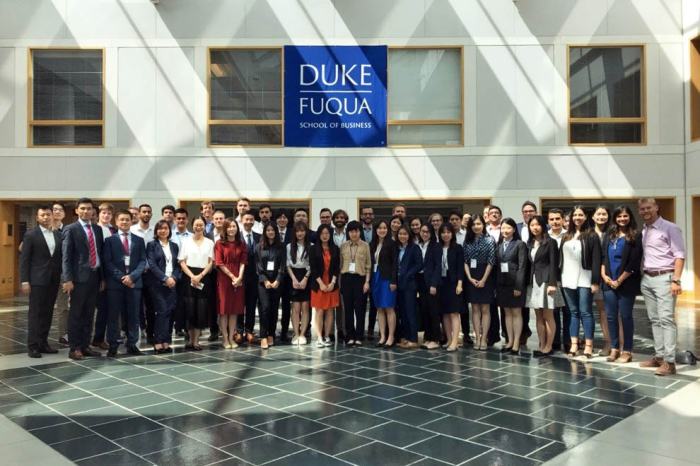
Obtaining an Executive MBA (EMBA) offers a myriad of professional advantages that can significantly enhance one’s career trajectory. As the business landscape continues to evolve, the skills and knowledge gained from these programs are invaluable. An EMBA can lead not only to promotions and salary increases but also to the development of critical leadership competencies and a robust professional network.The professional benefits of pursuing an Executive MBA extend beyond the classroom.
Graduates often find themselves in positions of higher authority, with greater responsibilities and increased compensation. This advancement is largely attributed to the combination of advanced business acumen and practical experiences that EMBA programs provide.
Professional Advantages
The advantages of acquiring an EMBA can be observed in several key areas that bolster career growth and job satisfaction:
- Promotions: Many EMBA graduates report immediate promotions upon completing their degree. The advanced skills and strategic insights gained equip them to take on leadership roles within their organizations.
- Salary Increases: Executive MBA holders often experience a notable increase in their earning potential. Studies indicate that graduates can earn significantly higher salaries compared to their peers without an EMBA, sometimes reaching increases of 20% or more.
- Enhanced Leadership Skills: EMBA programs emphasize leadership training, enabling graduates to effectively manage teams, make strategic decisions, and navigate complex business environments.
- Networking Opportunities: The connections made during an EMBA program are invaluable. Alumni gain access to a global network of business leaders, opening doors to potential collaborations and career opportunities.
“An Executive MBA is not just a degree; it’s a catalyst for career transformation and personal growth.”
Leadership Development
Leadership development is a cornerstone of the Executive MBA experience. Programs are designed to refine existing skills and cultivate new ones, preparing graduates to lead effectively in diverse business settings. Participants engage in case studies, simulations, and team projects that mirror real-world challenges. This hands-on approach fosters critical thinking and decision-making abilities essential for effective leadership.Real-life success stories illustrate the transformative power of an EMBA.
For instance, an alumnus from a prestigious EMBA program leveraged the knowledge gained to turn around a struggling department, ultimately leading to a 30% increase in productivity and a promotion to senior management. Such anecdotes highlight how EMBA graduates can make substantial impacts within their organizations, driving innovation and growth.
Alumni Success Stories
Many alumni have shared their journeys and the profound impact their EMBA experience has had on their careers. Here are a few notable examples:
- Jane Smith, CEO of a Tech Startup: After completing her EMBA, Jane transformed her fledgling startup into a multi-million dollar enterprise by implementing strategic changes learned during her studies.
- John Doe, VP of Marketing at a Fortune 500 Company: John’s EMBA helped him develop a data-driven approach to marketing that resulted in a successful national campaign, earning him accolades and a promotion.
- Linda Johnson, Director of Operations: Linda credits her EMBA for enhancing her leadership skills, which allowed her to lead a major operational overhaul that improved efficiency by 25%.
These success stories not only underscore the individual growth of these alumni but also reflect the broader impact an EMBA can have on organizations, industries, and the economy as a whole.
Admission Requirements and Application Process: Best Executive MBA Programs In The World
Gaining admission into top Executive MBA programs is a significant step for professionals aiming to advance their careers. Each institution may have its unique criteria, but there are common elements that prospective applicants should be aware of to enhance their chances of acceptance.Most Executive MBA programs require applicants to possess a solid background, primarily reflected in work experience and academic credentials.
Typically, candidates should have at least five to ten years of professional experience, which often includes managerial roles or substantial leadership responsibilities. In addition, a bachelor’s degree from an accredited institution is a general prerequisite. Some programs may also accept candidates with substantial work experience even if they do not hold a traditional undergraduate degree, provided they demonstrate exceptional professional achievements.
Application Process and Tips
The application process for Executive MBA programs generally involves several key steps. Candidates are encouraged to approach their applications thoughtfully to create a compelling narrative that showcases their qualifications and aspirations. The process usually includes:
1. Researching Programs
Understand the unique offerings, culture, and expectations of each program. Align your career goals with what each institution provides.
2. Preparing Standardized Tests
Some programs may require GMAT or GRE scores, although many top EMBA programs waive this requirement for experienced professionals.
3. Drafting Personal Statements
This is where you articulate your career goals and reasons for pursuing an EMBA. Make sure to highlight your leadership experiences and how the program aligns with your professional aspirations.
4. References
Typically, two to three professional references are required. Choose individuals who can provide insights into your work ethic, leadership skills, and potential for success in an advanced degree.
5. Interviews
Many programs will invite candidates for an interview as part of the selection process. Be prepared to discuss your professional journey, goals, and how you can contribute to the program.
6. Submitting Applications
Ensure all components of your application are submitted by the deadline, including transcripts, test scores, essays, and letters of recommendation.Important tips for a strong application include being authentic in your essays, using concrete examples from your career to illustrate your points, and ensuring your resume is up to date and tailored for an EMBA program.
Checklist of Documents for Application
When preparing your application, it’s crucial to gather all necessary documents to streamline the process. Here’s a checklist of essential documents typically required to apply for an Executive MBA program:
- Completed application form
- Current resume/CV highlighting professional experience
- Official academic transcripts from all post-secondary institutions attended
- Standardized test scores (if applicable, such as GMAT or GRE)
- Personal statement or essay reflecting your career objectives and motivations for pursuing an EMBA
- Letters of recommendation from professional references
- Application fee payment confirmation
This checklist not only helps in organizing your application but also ensures that all aspects of your profile are presented in the best light possible. Having everything prepared in advance can ease the application process and allow you to focus on crafting a compelling narrative of your career and aspirations.
The Future of Executive MBA Programs

The landscape of Executive MBA programs is evolving rapidly, influenced by advancements in technology, changing workforce dynamics, and the need for professionals to adapt to new challenges. As we look to the future, several key trends are shaping the way these programs are delivered and what they encompass. In this section, we explore the current trends, technological influences, and anticipated curriculum focuses that will define the next generation of Executive MBA education.
Current Trends in Executive MBA Education
The growth of online and hybrid Executive MBA programs is a significant trend that caters to the needs of busy professionals who seek flexibility without compromising quality. This evolution allows students from various geographical locations to enroll in prestigious institutions that were once out of reach. The shift towards digital platforms is notable, as many institutions are investing in robust online learning environments that facilitate engagement and interaction among peers and faculty.
Key elements driving this trend include:
- Increased accessibility to top-tier education for global professionals.
- The ability to balance work, study, and personal commitments effectively.
- Innovative online tools that enhance learning, such as virtual simulations and collaborative platforms.
Impact of Technology on Program Delivery
Technology is playing a transformative role in the delivery of Executive MBA programs. The integration of tools such as Artificial Intelligence (AI), virtual reality (VR), and data analytics is reshaping how educational content is delivered. For instance, AI-driven platforms can personalize learning experiences, adapting curriculum to fit individual student needs and preferences. Additionally, VR technology can create immersive learning environments that simulate real-world scenarios, offering students hands-on experience in a virtual space.
The influence of technology includes:
- Enhanced engagement through interactive learning sessions.
- Real-time feedback mechanisms that allow for continuous improvement.
- Global networking opportunities facilitated by digital platforms.
Emerging Skills and Knowledge Areas in Future Curricula
As industries evolve, so too must the skills and knowledge imparted in Executive MBA programs. Future curricula are expected to place a strong emphasis on skills that align with emerging trends such as digital transformation, sustainability, and global leadership. Programs will likely incorporate topics that address the complexities of a rapidly changing business environment, focusing on interdisciplinary approaches to problem-solving.
Essential skills shaping future curricula may include:
- Data literacy and analytics to make informed decisions based on data-driven insights.
- Agile leadership to navigate and lead through change effectively.
- Cross-cultural communication skills necessary for global business operations.
“The future belongs to those who learn more skills and combine them in creative ways.”
Networking and Career Opportunities Post-Executive MBA
In today’s competitive business landscape, the value of networking cannot be overstated, especially for Executive MBA graduates. These programs are not just about acquiring knowledge; they are also about forging connections that can propel your career forward. The relationships built during your EMBA journey can open doors to new opportunities and collaborations, significantly enhancing your professional trajectory.The importance of networking within Executive MBA programs lies in the unique mix of experienced professionals that make up the cohort.
Each member brings diverse backgrounds, skills, and perspectives, creating a rich environment for idea exchange and partnership. As graduates enter the workforce or seek advancement in their current roles, these relationships can facilitate introductions to key industry players, job openings, and mentorship opportunities.
Leveraging Alumni Networks for Job Opportunities
Alumni networks are one of the strongest assets available to Executive MBA graduates. Engaging with fellow alumni can lead to valuable job opportunities and industry insights. The alumni network often serves as a platform for sharing job openings, industry trends, and potential collaborations. Here’s how to effectively leverage these networks:
Attend Alumni Events
Engage in events organized by your institution. These gatherings are excellent for reconnecting and expanding your network further.
Participate in Online Forums
Many schools have online platforms where alumni can discuss job openings and industry trends. Actively participating in these discussions can increase your visibility.
Utilize Social Media
Platforms like LinkedIn are powerful tools for staying connected with your classmates and alumni. Regularly update your profile and share industry-relevant content to position yourself as a thought leader in your field.
Seek Informational Interviews
Reach out to alumni who are working in industries or roles you are interested in. Conducting informational interviews can provide insights and potentially lead to job referrals.
Effective Networking Strategies for Executive MBA Graduates, Best Executive MBA Programs In The World
To maximize the networking potential of your Executive MBA experience, consider implementing the following strategies:
Build Genuine Relationships
Focus on building authentic connections rather than just transactional relationships. Take the time to understand your peers and their career aspirations.
Follow Up
After meeting someone, send a quick message to express your appreciation for the conversation and suggest staying in touch. This can be as simple as connecting on LinkedIn.
Be Proactive
Don’t wait for opportunities to come to you. Actively reach out to industry leaders, attend conferences, and join professional organizations relevant to your career interests.
Offer Help
Networking is a two-way street. Be willing to help others in your network, whether it’s by sharing job leads or providing introductions. This fosters goodwill and builds stronger connections.
Stay Engaged
Regularly check in with your network. Sharing articles, insights, or simple messages can keep you on their radar and maintain the relationship over time.Networking post-Executive MBA is not just a supplementary advantage; it’s a strategic necessity. By actively engaging with your network and utilizing alumni resources, you can unlock a wealth of career opportunities that significantly enhance your professional journey.
Outcome Summary
In conclusion, the landscape of Executive MBA programs is vibrant and full of potential for those ready to invest in their futures. From enhancing leadership skills to expanding professional networks, the benefits are profound. As we reflect on the top programs and their unique offerings, it’s evident that pursuing an Executive MBA can be a transformative experience, paving the way for new opportunities and growth in one’s career.
FAQ Overview
What is an Executive MBA program?
An Executive MBA program is a graduate-level business degree designed for working professionals, focusing on leadership and advanced business practices.
Who should consider pursuing an Executive MBA?
Professionals with significant work experience seeking career advancement, leadership roles, or changes in their career path should consider an Executive MBA.
Are Executive MBA programs worth the investment?
Yes, many graduates report significant career advancements, salary increases, and enhanced professional networks, making the investment worthwhile.
How long does it typically take to complete an Executive MBA?
Most Executive MBA programs can be completed in 1 to 2 years, depending on the structure and format of the program.
Can I continue working while pursuing an Executive MBA?
Absolutely, Executive MBA programs are designed for working professionals, often featuring flexible schedules or part-time formats.