Fastest Way To Become A Registered Nurse USA is a goal for many aspiring healthcare professionals eager to join the nursing field. With a rich tapestry of responsibilities and specializations, nursing is not only a vital part of the healthcare system but also a rewarding career path. As the demand for registered nurses continues to rise, understanding the quickest routes to enter this profession becomes essential for those eager to make a difference in people’s lives.
This guide will explore the various educational pathways, accelerated programs, licensing requirements, and practical experiences needed to become a registered nurse in the USA. Whether you’re just starting your journey or looking to fast-track your education, there’s a pathway that suits your ambitions.
Understanding the Nursing Profession
Nursing is a vital component of the healthcare system, serving as a bridge between patients and the medical services they require. The profession not only encompasses a wide range of responsibilities but also offers numerous opportunities for specialization, allowing registered nurses (RNs) to focus on areas that align with their interests and skills.The nursing profession is centered on providing care and support to individuals across diverse age groups and health conditions.
Registered nurses play a crucial role in promoting health, preventing illness, and assisting patients in managing their health conditions. Their responsibilities include administering medications, monitoring patient progress, educating patients and families about health management, and collaborating with other healthcare professionals to ensure comprehensive care.
Roles and Responsibilities of a Registered Nurse
Registered nurses undertake a multitude of tasks that are essential for effective patient care. Their primary responsibilities include:
- Patient Assessment: RNs conduct thorough evaluations of patients’ health status by collecting medical histories and performing physical examinations.
- Care Planning: Based on assessments, nurses develop and implement individualized care plans that address specific patient needs.
- Medication Administration: Nurses are responsible for administering prescribed medications and monitoring for side effects and reactions.
- Patient Education: RNs educate patients and their families about health conditions, treatment options, and lifestyle modifications.
- Collaboration: They work alongside physicians, therapists, and other healthcare professionals to ensure coordinated care.
The diverse roles of RNs contribute significantly to patient outcomes and the overall efficiency of the healthcare system.
Specializations within Nursing
The nursing field offers various specializations that enable RNs to focus on specific aspects of patient care or areas of healthcare. Specializations can enhance career opportunities and allow nurses to develop expertise in particular domains. Notable nursing specializations include:
- Emergency Nursing: Focuses on providing care for patients in acute situations, requiring rapid assessment and intervention.
- Pediatric Nursing: Involves caring for infants, children, and adolescents, addressing their unique health needs and developmental considerations.
- Geriatric Nursing: Concentrates on the care of older adults, emphasizing the management of chronic conditions and promoting quality of life.
- Oncology Nursing: Specializes in caring for patients with cancer, providing emotional support and managing complex treatment protocols.
- Cardiovascular Nursing: Focuses on patients with heart-related conditions, emphasizing prevention, treatment, and rehabilitation.
These specializations not only enhance the quality of care provided to patients but also contribute to the overall advancement of the nursing profession.
“Nursing is not just a job; it’s a calling to care for others in their most vulnerable moments.”
Educational Pathways to Become a Registered Nurse: Fastest Way To Become A Registered Nurse USA
Becoming a registered nurse (RN) requires dedication and a clear understanding of the educational pathways available. In the United States, aspiring RNs can choose from several degree options, each offering unique benefits and challenges. This section will explore the various degrees available, comparing their advantages and disadvantages, as well as detailing the required coursework and clinical training for each.
Degree Options: ADN, BSN, and MSN
There are three main educational pathways to becoming a registered nurse: the Associate Degree in Nursing (ADN), the Bachelor of Science in Nursing (BSN), and the Master of Science in Nursing (MSN). Each degree has its distinct features, which can influence your nursing career trajectory.
- Associate Degree in Nursing (ADN)
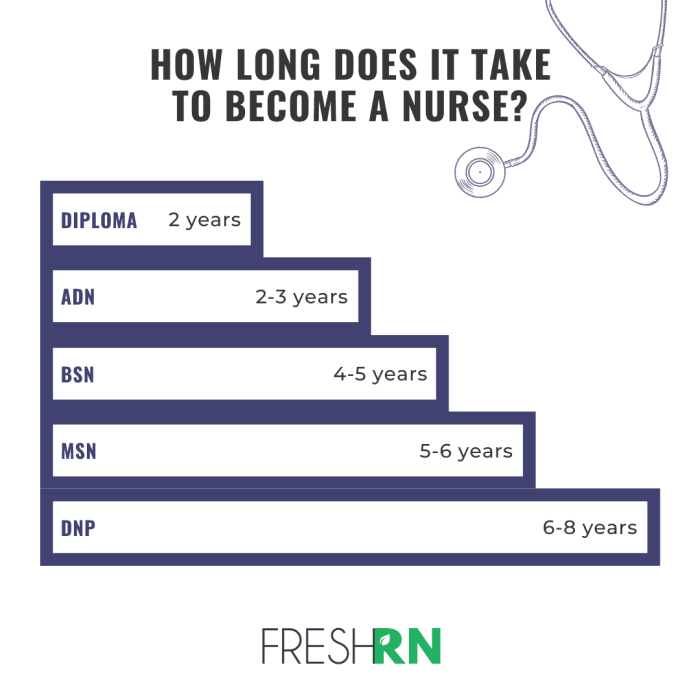
ADN programs typically take about two to three years to complete and are often offered at community colleges.
The ADN is a popular choice for those looking to enter the nursing field quickly. It prepares graduates to take the NCLEX-RN licensing exam. However, while the ADN allows for immediate employment as an RN, some healthcare facilities prefer BSN-prepared nurses due to their more extensive training.
- Bachelor of Science in Nursing (BSN)
BSN programs usually take four years to complete and are offered at universities.
The BSN provides a more comprehensive education, covering topics such as leadership, research, and public health. Graduates have broader employment opportunities, especially in management and specialized nursing roles. However, the longer duration and higher tuition costs may be disadvantages for some.
- Master of Science in Nursing (MSN)
MSN programs require a BSN and typically take an additional two years to complete.
For those seeking advanced practice roles or leadership positions, the MSN is essential. It allows for specialization in areas like nurse practitioner, nurse educator, or nurse administrator. The commitment is significant, often requiring more intensive coursework and clinical hours, which can be a barrier for some individuals.
Coursework and Clinical Training Requirements
Each nursing degree has specific coursework and clinical training components that are crucial for preparing competent nurses.
- ADN Coursework and Clinical Training
The ADN program typically includes foundational courses in anatomy, physiology, microbiology, and nursing fundamentals. Students also complete clinical rotations in various healthcare settings, gaining hands-on experience under the supervision of licensed nurses. - BSN Coursework and Clinical Training
The BSN expands on the ADN curriculum, adding courses in nursing theory, research methods, and community health. Clinical rotations are more extensive and include leadership experiences and specialty areas such as pediatrics and critical care. - MSN Coursework and Clinical Training
MSN programs focus on advanced practice nursing, with coursework tailored to the specific track chosen (e.g., nurse practitioner or nurse educator). Clinical training is more specialized, allowing students to gain expertise in their chosen area of practice.
By understanding the different educational pathways available to become a registered nurse, individuals can make informed decisions about their nursing careers, choosing the path that aligns best with their personal and professional goals.
Accelerated Nursing Programs
Accelerated nursing programs are designed for individuals who already hold a bachelor’s degree in a non-nursing field and are looking to transition into a career in nursing quickly. These programs are intensive and focused, allowing students to complete their nursing education in an expedited timeframe, typically ranging from 12 to 24 months. The streamlined nature of these programs makes them an attractive option for career changers who are eager to enter the nursing profession without spending several years in school.Accelerated nursing programs generally involve a combination of classroom instruction and clinical practice, covering essential nursing concepts, skills, and competencies.
Students engage in rigorous coursework that includes subjects like anatomy, pharmacology, and nursing theory, along with hands-on training in various healthcare settings. Because of the fast-paced curriculum, students are expected to dedicate a significant amount of time and effort, often balancing their studies with clinical rotations that provide real-world experience.
Enrollment Requirements for Accelerated Nursing Programs
To enroll in an accelerated nursing program, candidates must meet specific requirements that vary by institution. Understanding these criteria is crucial for prospective students. The common requirements typically include:
- Completion of a bachelor’s degree in any discipline from an accredited institution.
- A minimum GPA requirement, often around 3.0 or higher, in prior college coursework.
- Prerequisite courses in subjects such as microbiology, anatomy, physiology, and statistics.
- Submission of standardized test scores, such as the GRE, though some programs may waive this requirement for strong candidates.
- A personal statement or essay detailing the candidate’s motivations for pursuing nursing.
- Letters of recommendation from academic or professional references.
Tips for Succeeding in an Accelerated Nursing Program
Succeeding in an accelerated nursing program requires dedication, effective time management, and a proactive approach to learning. Here are some tips to help students excel in their studies:
- Establish a structured study schedule to balance coursework and clinical responsibilities effectively.
- Utilize study groups and collaborative learning opportunities with peers to enhance understanding of complex materials.
- Stay organized by keeping track of assignments, deadlines, and exam dates using planners or digital tools.
- Engage actively in clinical placements, taking every opportunity to practice skills and ask questions.
- Seek support from faculty and academic advisors when facing challenges, as they can provide valuable guidance and resources.
- Prioritize self-care and stress management techniques, as the intensity of the program can be overwhelming.
“The journey through an accelerated nursing program is demanding, but it equips students with the knowledge and experience needed to thrive in the nursing profession.”
Licensing Process for Registered Nurses
The journey to becoming a registered nurse (RN) in the USA culminates in a vital step: obtaining a nursing license. This process is essential as it ensures that all practicing nurses meet the minimum standards of competency required to provide safe and effective care. Understanding the steps involved in this process can help aspiring nurses navigate the path to licensure with greater ease and confidence.
To obtain a nursing license in the USA, candidates must follow a series of structured steps. These steps are crucial not only for ensuring the quality of nursing care but also for protecting the public from unqualified practitioners. Below is a detailed overview of the licensing process.
Steps to Obtain a Nursing License
The licensing process typically involves several key stages that all aspiring nurses must complete:
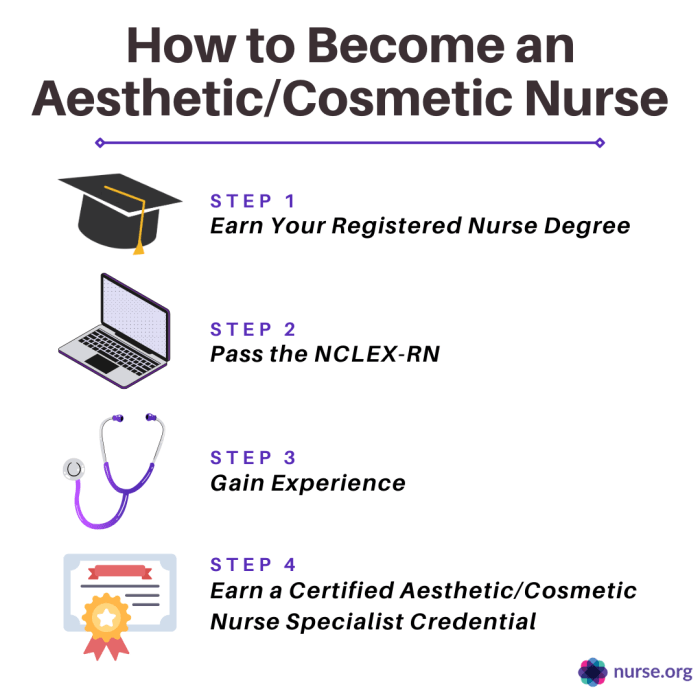
1. Complete an Approved Nursing Program
Successfully graduating from an accredited nursing program, which can be an Associate Degree in Nursing (ADN) or a Bachelor of Science in Nursing (BSN), is the first step toward obtaining a nursing license. Accreditation ensures that the program meets national standards.
2. Apply for Licensure
After graduation, candidates must submit an application for licensure to the nursing board in the state where they wish to practice. This application often requires providing proof of education, background checks, and sometimes even fingerprinting.
3. Pass the NCLEX-RN Exam
The National Council Licensure Examination for Registered Nurses (NCLEX-RN) is a standardized exam that assesses the knowledge, skills, and abilities essential for safe and effective nursing practice. Successfully passing this exam is mandatory for licensure.
4. Complete State-Specific Requirements
Each state may have additional requirements, such as additional coursework, in-service training, or specific background checks. It’s crucial for candidates to familiarize themselves with their state’s requirements to ensure compliance.
5. Receive Your License
Once all requirements are met and the application is approved, candidates will receive their nursing license, allowing them to practice as registered nurses.
The nursing license is not just a piece of paper; it represents the commitment to uphold the standards of care and professionalism in nursing.
Significance of Passing the NCLEX-RN Exam
Passing the NCLEX-RN exam is a pivotal milestone in the licensing process. This exam is designed to evaluate the competency of new nurses and ensure that they possess the necessary knowledge to provide high-quality patient care. The exam covers a wide range of nursing topics, including pharmacology, patient safety, and critical thinking skills.
Only candidates who achieve a passing score on the NCLEX-RN are granted a nursing license, affirming their readiness to enter the workforce and provide safe, effective nursing care. The exam serves as a safeguard for public health, ensuring that only qualified individuals can practice as RNs.
State-Specific Licensing Requirements
Each state in the USA has its own Board of Nursing that sets specific regulations for nursing licensure. While the core requirements are similar, there can be significant variations that aspiring nurses need to consider. These state-specific licensing requirements may include:
Additional Continuing Education
Some states require nurses to complete continuing education courses as a condition for license renewal, ensuring that they stay updated on the latest practices and advancements in healthcare.
Background Checks
Certain states mandate criminal background checks as part of the licensure process. This requirement is to maintain the integrity and safety of nursing practice.
Reciprocity Agreements
Nurses moving from one state to another may benefit from reciprocity agreements that allow them to practice in a new state without having to redo the entire licensing process, though they may still need to meet specific state requirements.
Understanding these state-specific nuances is essential for any nursing candidate, as it influences their ability to practice in their desired location and can affect their overall career trajectory in nursing.
Financial Considerations for Nursing Students
Pursuing a nursing degree can be a significant financial investment, requiring careful consideration and planning. Understanding the various funding options available, the costs associated with nursing programs, and effective debt management strategies is crucial for aspiring nurses. This section will delve into these financial aspects to help you navigate your nursing education with confidence.
Funding Options for Nursing Education
There are several potential funding options for students looking to finance their nursing education. Exploring these options can ease the financial burden and allow you to focus on your studies.
- Scholarships: Many organizations and institutions offer scholarships specifically for nursing students. These funds do not require repayment and can significantly reduce tuition costs. Examples include the Health Resources and Services Administration (HRSA) and various state-funded programs.
- Federal Financial Aid: Completing the Free Application for Federal Student Aid (FAFSA) can unlock various federal aid opportunities, including Pell Grants and subsidized loans.
- Private Loans: Private loan options are available from banks and credit unions. While they may cover the remaining cost of education, be cautious about interest rates and repayment terms.
- Work-Study Programs: Some schools offer work-study programs that allow students to work part-time while attending classes, helping to offset educational costs.
- Employer Sponsorship: Certain employers may offer tuition reimbursement or sponsorship programs for employees pursuing nursing degrees, particularly in healthcare settings.
Cost of Nursing Programs
Understanding the cost structure of nursing programs is essential for effective budgeting. Tuition rates can vary greatly between institutions and programs, influencing your overall financial planning.The average annual tuition for nursing programs can range from $10,000 to $50,000, depending on whether you attend a public or private institution. Additional costs to consider include:
- Textbooks and Supplies: Nursing students often spend several hundred dollars on textbooks, uniforms, and medical supplies each semester.
- Clinical Fees: Some programs charge fees for clinical placements, which are essential for hands-on training.
- Living Expenses: Factor in costs for housing, food, and transportation, as these can vary based on your location and lifestyle.
Creating a realistic budget that encompasses all of these elements is crucial for managing your finances throughout your nursing education.
Managing Student Debt Post-Graduation
Effectively managing student debt after graduation is vital for your financial health. Many nursing graduates face significant loan repayments, making it essential to have a strategy in place.Here are some strategies to help manage student debt:
- Income-Driven Repayment Plans: Explore income-driven repayment options for federal student loans, which can lower monthly payments based on your income.
- Public Service Loan Forgiveness: If you work in a qualifying public service job after graduation, you may be eligible for loan forgiveness after a specified number of payments.
- Refinancing: If you have a good credit score and a stable income, consider refinancing your loans to secure a lower interest rate.
- Budgeting Your Income: Establish a detailed budget that prioritizes loan repayments while also allowing for essential living expenses. Utilizing budgeting apps can simplify this process.
Implementing these strategies can help you navigate the financial landscape after completing your nursing degree, ensuring you can focus more on your career and less on financial worries.
Gaining Practical Experience
Practical experience is a crucial component of nursing education, equipping students with hands-on skills and real-world knowledge that are essential for their future careers. Engaging in clinical experiences not only enhances learning but also builds confidence and competence in a clinical setting. Opportunities for clinical experience during nursing education are varied and accessible. Often integrated into nursing programs, clinical placements allow students to work alongside experienced nurses in healthcare settings.
These experiences may take place in hospitals, clinics, or community health organizations. The following are key types of practical experience opportunities:
Clinical Experience Opportunities
Clinical experience is vital for developing practical nursing skills. The following avenues provide essential hands-on learning:
- Clinical Rotations: Many nursing programs include mandatory clinical rotations that expose students to different specialties, such as pediatrics, geriatrics, and critical care. These rotations are essential for gaining diverse clinical skills.
- Capstone Projects: In the final semester, nursing students may complete a capstone project that involves working directly with patients under the supervision of a registered nurse. This project often focuses on a specific area of interest.
- Simulation Labs: Nursing schools often have simulation labs equipped with mannequins and technology that simulate real-life scenarios. These labs help students practice critical thinking and clinical skills in a controlled environment.
Internships and volunteer work play a significant role in enriching nursing students’ education. These experiences provide an opportunity to enhance skills and understand the healthcare environment better.
Importance of Internships and Volunteer Work
Engaging in internships and volunteer work is beneficial for nursing students in several ways:
- Skill Development: Internships allow students to develop specific skills such as patient care, communication, and teamwork, which are critical in nursing.
- Resume Building: Volunteer work and internships provide valuable experience that enhances a resume and makes candidates more attractive to potential employers.
- Exposure to Different Settings: Volunteering in various healthcare environments helps students find their niche within the nursing profession and understand different aspects of patient care.
Building a professional network while in nursing school can greatly benefit students by connecting them with potential mentors and job opportunities. Networking can occur through various channels that encourage relationship-building within the profession.
Building a Professional Network
Networking is essential for career advancement in nursing. Here are effective strategies to build a professional network during nursing school:
- Join Nursing Associations: Becoming a member of local or national nursing associations connects students with professionals and provides access to resources, job openings, and continuing education opportunities.
- Attend Conferences and Workshops: Participating in nursing conferences allows students to meet industry leaders, learn about emerging trends, and share experiences with peers.
- Engage with Faculty and Clinical Instructors: Building relationships with instructors and mentors can lead to recommendations and insights into job openings or advanced education opportunities.
In summary, gaining practical experience through clinical placements, internships, and networking is essential for nursing students. These experiences not only enrich their education but also pave the way for successful careers in nursing.
Job Market and Employment Opportunities
The nursing job market in the USA is currently vibrant and expanding, driven by an increasing demand for healthcare services and a growing emphasis on patient care. As the population ages and healthcare needs evolve, registered nurses (RNs) find themselves at the forefront of a booming job market, with numerous employment opportunities across various settings.Current trends indicate a significant demand for registered nurses in hospitals, outpatient care centers, and home healthcare settings.
The U.S. Bureau of Labor Statistics (BLS) projects that employment for RNs will grow by 9% from 2020 to 2030, resulting in approximately 276,800 new jobs. This growth reflects not only an increasing population but also a heightened focus on preventive care and chronic disease management.
Top Employers and Settings for Registered Nurses, Fastest Way To Become A Registered Nurse USA
Registered nurses work in diverse environments, and several employers stand out as the largest providers of nursing jobs. The following sectors and employers are prominent in the nursing job market:
- Acute Care Hospitals: The majority of registered nurses are employed in hospitals, where they provide critical care to patients. Major hospital systems like HCA Healthcare and Ascension Health are among the top employers, offering a wide range of specialties and advancement opportunities.
- Outpatient Care Centers: These settings have gained popularity due to the shift towards preventive care. Companies like Tenet Healthcare and DaVita operate numerous outpatient facilities, requiring skilled nurses for various roles.
- Nursing Homes and Assisted Living Facilities: As the population ages, the demand for RNs in long-term care settings increases. Amedisys and Brookdale Senior Living are key employers in this sector.
- Home Healthcare: RNs play a vital role in providing care to patients in their homes, especially for those with chronic illnesses. Companies like Kindred Healthcare and LHC Group focus on delivering home health services.
- Public Health Agencies: Registered nurses also work for government and community health organizations, focusing on health promotion and disease prevention. The Centers for Disease Control and Prevention (CDC) and local health departments are significant employers.
Job Growth and Advancement in the Nursing Field
The potential for job growth in the nursing field is substantial, with various pathways for advancement. As healthcare technology and practices evolve, RNs have opportunities to specialize in different areas, such as critical care, geriatrics, or mental health. Advanced Practice Registered Nurses (APRNs), such as Nurse Practitioners and Clinical Nurse Specialists, can further enhance their careers, often leading to higher salaries and increased responsibilities.The nursing profession also offers various certification options that can enhance job prospects.
For instance, obtaining certifications from organizations such as the American Nurses Credentialing Center (ANCC) can demonstrate expertise and commitment to continued education. As the healthcare landscape changes, the role of registered nurses will continue to expand, offering numerous paths for career development and personal fulfillment. The ability to adapt to new healthcare challenges and embrace lifelong learning will be essential in securing a successful nursing career.
Continuing Education and Professional Development
As the healthcare landscape evolves, nursing professionals must stay abreast of new developments, practices, and technologies. Continuing education and professional development are not just beneficial but essential for maintaining nursing licensure and enhancing career prospects. This ongoing learning journey ensures that nurses possess the knowledge and skills necessary to provide high-quality patient care and advance in their careers.
Requirements for Maintaining Nursing Licensure
To maintain nursing licensure, registered nurses are required to fulfill specific continuing education (CE) requirements, which vary by state. Most states mandate that nurses complete a certain number of CE hours within a defined period, often biennially. This education helps to ensure that nurses remain informed about best practices and recent advancements in the field.The following points highlight essential aspects of continuing education for nurses:
- Most states require between 20 to 30 hours of CE every two years.
- CE credits can be earned through various formats, including online courses, workshops, and conferences.
- Some states may have specific topics that must be covered, such as ethics or patient safety.
- Failure to meet CE requirements can result in the suspension or revocation of a nursing license.
Options for Further Education and Specialty Certifications
Nurses seeking to expand their knowledge and skills can pursue various educational pathways and specialty certifications. These options not only enhance a nurse’s expertise but also improve job prospects and earning potential. Specialty certifications can be obtained in areas such as critical care, pediatrics, or gerontology.Here are several common pathways for further education and specialization:
- Advanced Practice Registered Nurse (APRN) programs, which include Nurse Practitioner (NP) or Clinical Nurse Specialist (CNS) tracks.
- Specialty certifications from organizations like the American Nurses Credentialing Center (ANCC) or the American Association of Critical-Care Nurses (AACN).
- Participating in workshops, conferences, or webinars to gain knowledge in emerging healthcare trends.
- Pursuing higher degrees, such as a Bachelor of Science in Nursing (BSN) or a Master of Science in Nursing (MSN).
Plan for Ongoing Professional Development Throughout a Nursing Career
Creating a structured plan for ongoing professional development is crucial for long-term career success in nursing. A well-thought-out plan not only addresses the requirement for licensure renewal but also positions nurses to take advantage of career advancement opportunities.Key components of a professional development plan include:
- Set specific, measurable, achievable, relevant, and time-bound (SMART) goals related to education and skills enhancement.
- Regularly assess personal strengths and areas for improvement to identify potential learning opportunities.
- Engage with professional nursing organizations to stay updated on industry trends and networking opportunities.
- Schedule regular intervals for self-reflection and evaluation of career progress and educational goals.
“Continuing education is not just a requirement; it’s a commitment to excellence in nursing care.”
Work-Life Balance for Nurses
The nursing profession is rewarding yet demanding, often leading to high levels of stress and burnout. Achieving a healthy work-life balance is essential for nurses to maintain their well-being and provide the best care possible. This section focuses on strategies that can help nurses manage their stress levels, avoid burnout, and prioritize self-care and mental health.
Strategies for Managing Stress and Avoiding Burnout
Nurses face various stressors in their daily work, from long shifts to emotionally challenging situations. Implementing effective stress management strategies can help mitigate these pressures. Here are some successful approaches:
- Mindfulness and Meditation: Practicing mindfulness techniques, such as meditation and deep breathing exercises, can enhance focus and reduce anxiety. These practices allow nurses to center themselves, making them more resilient to workplace stress.
- Time Management: Prioritizing tasks and managing time efficiently can alleviate feelings of being overwhelmed. Utilizing planners or apps to break down responsibilities can help nurses stay organized and focused.
- Setting Boundaries: It’s vital for nurses to establish clear boundaries between work and personal life. This includes learning to say no to extra shifts when overwhelmed and ensuring time off is used for rest and recovery.
Achieving Work-Life Balance in a Demanding Profession
Striking a balance between work and personal life is crucial for maintaining overall health and job satisfaction. Here are key tips to help nurses achieve that balance:
- Utilizing Support Systems: Building a strong support network, including family, friends, and co-workers, provides emotional backing and helps nurses feel less isolated during tough times.
- Engaging in Hobbies: Pursuing hobbies and interests outside of nursing can provide a fulfilling outlet for stress relief. Whether it’s painting, hiking, or reading, engaging in enjoyable activities promotes relaxation.
- Physical Activity: Regular exercise contributes to physical and mental health. Simple activities like walking or yoga can significantly enhance mood and energy levels, counteracting the effects of a demanding job.
Importance of Self-Care and Mental Health Awareness
Self-care is not just a luxury; it is a necessity for nurses. Prioritizing mental health is significant for sustaining a long and fulfilling career in nursing. Here are essential points regarding self-care:
- Regular Check-Ins: Nurses should regularly assess their mental health and recognize signs of burnout, such as fatigue or irritability. Seeking professional help when needed is vital.
- Workplace Wellness Programs: Many hospitals offer wellness programs that focus on mental health and stress management. Participating in these programs can provide valuable resources and coping strategies.
- Promoting a Positive Work Environment: Advocating for a supportive workplace culture fosters open communication and encourages colleagues to prioritize their well-being.
“Taking care of yourself is part of taking care of others.”
Closure
In summary, pursuing the Fastest Way To Become A Registered Nurse USA involves careful consideration of educational options, understanding the licensing process, and gaining valuable practical experience. By leveraging accelerated programs and effective financial planning, you can embark on a fulfilling nursing career sooner than you think. Remember, the nursing profession not only offers personal satisfaction but also the opportunity to impact countless lives.
FAQ Section
What is the fastest nursing degree option?
The fastest nursing degree option is typically an accelerated Bachelor of Science in Nursing (BSN) program, which can be completed in 12 to 18 months for those who already hold a bachelor’s degree in another field.
Are online nursing programs available?
Yes, many accredited institutions offer online nursing programs, including ADN and BSN degrees, which allow for greater flexibility in balancing studies with personal commitments.
How long does it take to prepare for the NCLEX-RN exam?
Is previous healthcare experience necessary to enter nursing?
No, previous healthcare experience is not required to enter nursing programs, although it can be beneficial and enhance your application.
What financial aid options are available for nursing students?
Financial aid options for nursing students include scholarships, federal student loans, grants, and work-study programs, which can significantly reduce the cost of education.