Coding Bootcamp With Job Guarantee USA takes center stage as an innovative educational pathway designed to equip aspiring developers with essential skills and guaranteed job placements. These bootcamps offer a focused, immersive experience, generally lasting a few months, where participants dive deep into various programming languages and technologies. With a strong emphasis on practical learning, coding bootcamps blend rigorous training with job readiness, making them an appealing choice for those looking to quickly break into the tech industry.
The landscape of coding education has transformed, with bootcamps emerging as viable alternatives to traditional degrees. They promise not only a comprehensive curriculum but also the potential for a successful career post-graduation through structured job guarantee programs. With success stories and substantial networking opportunities, bootcamps are paving the way for a new generation of tech professionals.
Overview of Coding Bootcamps
Coding bootcamps have emerged as a popular educational alternative for individuals seeking to enter the tech industry quickly and effectively. These intensive, short-term programs focus on equipping students with practical skills in software development, data science, and other tech-related fields, often with a strong emphasis on hands-on learning and real-world application.Typically, coding bootcamp programs range from a few weeks to several months, depending on the curriculum and format.
Many bootcamps offer full-time and part-time schedules, allowing students to choose a path that best fits their lifestyle. The structure generally includes a mix of lectures, coding exercises, projects, and collaboration to foster a comprehensive learning environment. Students can expect to spend significant time coding, both individually and in groups, to build a portfolio that demonstrates their skills to potential employers.
Programming Languages and Technologies Covered
Coding bootcamps provide instruction in a variety of programming languages and technologies tailored to meet the demands of the job market. The specific offerings can differ significantly from one bootcamp to another, but several languages and technologies are commonly taught. Here are some key areas of focus:
- JavaScript: A foundational language for web development, covering both front-end frameworks like React and back-end environments like Node.js.
- Python: Often used for data analysis and machine learning, Python is a versatile language that bootcamps teach for its readability and community support.
- Ruby on Rails: This framework is popular for building web applications quickly and is often included in full-stack development courses.
- HTML & CSS: Essential for front-end development, these languages are typically taught as the building blocks of web design.
- SQL: A crucial language for database management, SQL is frequently included in data science and back-end development tracks.
In addition to programming languages, bootcamps often cover frameworks, libraries, and tools that enhance development efficiency. Technologies such as Git for version control, Docker for containerization, and cloud platforms like AWS or Azure may also be part of the curriculum. Moreover, many bootcamps emphasize the importance of soft skills, such as problem-solving, teamwork, and communication, which are vital in professional environments.
By engaging in pair programming and group projects, students learn to collaborate effectively, preparing them for the demands of the tech industry.
“Coding bootcamps are revolutionizing tech education by providing a fast track to careers in technology, focusing on practical skills and real-world applications.”
Job Guarantee Features
The concept of a job guarantee at coding bootcamps is an essential feature that attracts many prospective students. This commitment provides students with confidence as they invest their time and resources into learning new skills. The job guarantee typically ensures that graduates will secure employment within a specified timeframe after completing the program, or they will receive some form of compensation or support.
This promise not only highlights the bootcamp’s confidence in their curriculum but also demonstrates their commitment to the success of their students.Many coding bootcamps establish specific criteria that students must meet to qualify for the job guarantee. Understanding these requirements is crucial for students as they navigate their educational journey. These criteria often include:
Qualification Criteria for Job Guarantees
To benefit from a job guarantee, students typically need to fulfill certain benchmarks throughout their time in the bootcamp. Here are the common criteria that bootcamps may implement:
- Active Participation: Students are required to attend a specific percentage of classes and engage in hands-on projects.
- Completion of Assignments: Timely and satisfactory completion of all coursework and projects is essential.
- Job-Seeking Activities: Students may need to engage in job search activities, such as networking, resume writing, and interview preparation.
- Geographical Limitations: Some bootcamps may stipulate that students must be willing to relocate or work in certain job markets.
- Minimum Skill Proficiency: Students might need to demonstrate proficiency in the skills taught during the bootcamp, often assessed through exams or projects.
The job guarantee feature not only serves as a safety net for students but also reflects the bootcamp’s confidence in their training programs. Many alumni have successfully transitioned into tech roles as a result of these guarantees, showcasing real-life examples of the effectiveness of bootcamp education.
Success Stories from Alumni
Numerous alumni have shared their experiences of securing jobs through bootcamp job guarantees, illustrating the potential for success that these programs offer. For instance, one graduate from a coding bootcamp in San Francisco was able to land a position as a software engineer within three months of completing the course. The bootcamp’s extensive job placement support and network played a pivotal role in this success.Another notable example is an alumna who transitioned from a non-technical background into a full-stack developer role after attending a bootcamp in New York City.
The job guarantee feature enabled her to focus on learning without the stress of financial uncertainty, ultimately leading to a successful career in tech.These success stories highlight the transformative impact of coding bootcamps and their job guarantees, reinforcing the value of investing in such educational programs for aspiring tech professionals.
Benefits of Attending a Coding Bootcamp
Coding bootcamps have surged in popularity as a fast-tracked alternative to traditional education, especially in the tech industry. They provide immersive, focused training that equips participants with the essential skills needed to enter the job market quickly. In this section, we will delve into the myriad benefits of attending a coding bootcamp, highlighting their advantages over conventional educational pathways, comparing outcomes with self-taught coding, and exploring the invaluable networking opportunities they present.
Advantages of Bootcamps Over Traditional Education
The landscape of education is evolving, and coding bootcamps offer several distinct advantages over traditional college degrees. These benefits include:
- Time Efficiency: Bootcamps typically last only a few months, allowing students to acquire skills rapidly compared to the years required for a degree.
- Focused Curriculum: The curriculum is tailored to the current job market needs, ensuring students learn in-demand skills and tools.
- Practical Experience: Bootcamps emphasize hands-on projects, which helps solidify learning and build portfolios that showcase students’ capabilities to potential employers.
- Lower Cost: Compared to a four-year degree, bootcamps often require a significantly lower financial investment, making them accessible to a broader audience.
Comparison of Bootcamp Outcomes and Self-Taught Coding Pathways
When it comes to learning to code, many consider the self-taught route as a viable option. However, the outcomes of bootcamp attendance often surpass those of self-taught individuals in several ways:
- Structured Learning: Bootcamps provide a structured environment with a clear learning path, which can be challenging to replicate when self-studying.
- Access to Resources: Students gain access to mentor-led sessions, coding resources, and industry tools that self-taught learners may struggle to find or utilize effectively.
- Job Placement Rates: Many bootcamps offer job placement services and have established partnerships with tech companies, resulting in a higher percentage of graduates finding employment post-completion.
- Community Support: Bootcamps foster a collaborative environment where students can connect, share knowledge, and support each other, which is less prevalent in self-taught scenarios.
Networking Opportunities Provided by Bootcamps
One of the most significant advantages of attending a coding bootcamp is the networking opportunities that arise during and after the program. These connections can be pivotal for career advancement.
Networking in bootcamps not only opens doors to job opportunities but also fosters relationships that can lead to collaborations, mentorships, and lifelong professional connections.
The importance of networking in bootcamps can be illustrated through several key components:
- Alumni Networks: Many bootcamps have active alumni communities that provide ongoing support, job leads, and mentorship opportunities.
- Industry Connections: Bootcamps often host events with industry professionals, allowing students to meet potential employers and learn about job openings directly.
- Group Projects: Collaborative projects encourage networking among peers, which can lead to partnerships in future endeavors or job opportunities in the same companies.
- Workshops and Events: Regularly organized workshops and networking events enrich the learning experience and provide a venue for students to showcase their skills.
Popular Coding Bootcamps in the USA
Coding bootcamps have gained immense popularity in recent years, particularly as a pathway for individuals looking to transition into tech careers. With many offering job guarantees, these bootcamps attract a diverse range of students, including career changers, recent graduates, and self-taught developers. The competitive landscape means that prospective students should carefully consider their options based on curriculum effectiveness and job placement success rates.In the following sections, we will explore some of the most notable coding bootcamps in the USA that feature job guarantees.
We will delve into their curricula, compare job placement success rates, and share testimonials from graduates who have experienced these programs firsthand.
Notable Coding Bootcamps with Job Guarantees
Many coding bootcamps offer job guarantees to ensure that graduates find employment post-completion. Here’s a look at some of the leading options:
- General Assembly: Known for its comprehensive programs in web development, data science, and UX design, General Assembly boasts a job placement rate of around 91% within six months of graduation. Graduates praise the hands-on projects and networking opportunities.
- Springboard: Offering a unique job guarantee, Springboard specializes in data science and software engineering. Their placement rate is approximately 96%, and students appreciate the one-on-one mentorship provided throughout the program.
- Thinkful: Thinkful provides various bootcamps, including full-stack development and data analytics. Their job placement success sits around 85%, and graduates often highlight the personalized support and flexible schedules.
- Flatiron School: With a focus on software engineering, data science, and cybersecurity, Flatiron School reports a job placement rate of 86%. Many graduates commend the rigorous curriculum and supportive community.
- Le Wagon: Known for its immersive coding bootcamps, Le Wagon offers programs in web development and data science with a 93% job placement rate. Students appreciate the global alumni network and strong emphasis on project work.
Curricula Comparison and Job Placement Success Rates
Evaluating the curricula of different coding bootcamps provides insights into their effectiveness in preparing students for the job market. Below is a comparison of several bootcamps based on their curricula and job placement success rates:
| Bootcamp | Curriculum Focus | Job Placement Rate |
|---|---|---|
| General Assembly | Web Development, Data Science, UX Design | 91% |
| Springboard | Data Science, Software Engineering | 96% |
| Thinkful | Full-Stack Development, Data Analytics | 85% |
| Flatiron School | Software Engineering, Data Science, Cybersecurity | 86% |
| Le Wagon | Web Development, Data Science | 93% |
Graduate Testimonials and Experiences
The experiences of graduates provide valuable insight into the quality and effectiveness of coding bootcamps. Here are some testimonials from individuals who have gone through various programs:
“General Assembly transformed my career. The hands-on projects prepared me for real-world challenges, and I landed a job within three months!”
Sarah, General Assembly Graduate
“Springboard’s mentorship program was a game-changer for me. I felt supported every step of the way, and I secured a job before even finishing the course!”
Mark, Springboard Graduate
“Thinkful not only taught me coding but also how to present myself in interviews. Their support network was invaluable!”
Emily, Thinkful Graduate
These testimonials exemplify the impact that coding bootcamps can have on career trajectories, making them an attractive option for those looking to break into the tech industry.
Financial Aspects of Coding Bootcamps
The financial commitment required to attend a coding bootcamp is an essential factor for prospective students. Understanding the costs involved and the available financing options can help individuals decide if a bootcamp aligns with their budget and career goals.
Cost of Attending Coding Bootcamps
The price of coding bootcamps can range significantly based on various factors, including location, duration, and the depth of the curriculum offered. Generally, tuition for bootcamps in the USA falls between $7,000 and $20,000. For example, popular bootcamps like General Assembly and Flatiron School typically charge around $14,000 to $17,000, while other options, like Thinkful, can vary based on the program chosen.
Available Financing Options
Several bootcamps offer financing plans to help students manage the cost of tuition. Potential financing options include:
- Payment Plans: Many bootcamps allow students to pay tuition in installments, making the financial burden more manageable.
- Private Loans: Students can secure loans from financial institutions that specialize in educational financing, which often feature competitive interest rates.
- Employer Sponsorship: Some students may negotiate tuition assistance through their current employers, particularly if the skills learned will benefit the company.
Scholarships and Income-Share Agreements
To make coding bootcamps more accessible, many institutions provide scholarships and income-share agreements (ISAs). Scholarships can significantly reduce tuition costs and are often awarded based on merit or financial need. Income-share agreements allow students to attend a bootcamp with little to no upfront cost. Instead, students agree to pay back a percentage of their salary after securing a job within a specified time frame.
This model minimizes financial risk and aligns the bootcamp’s success with the student’s job placement.
Return on Investment (ROI) of Bootcamps with Job Guarantee
The return on investment for attending a coding bootcamp can be substantial, especially when a job guarantee is offered. Graduates often see significant salary increases compared to their pre-bootcamp earnings. For instance, many successful alumni report earning starting salaries between $60,000 and $100,000 after completing bootcamp programs. This financial boost demonstrates the potential for a positive ROI, with a typical payback period of less than two years, depending on the financing model chosen.
The average salary increase for bootcamp graduates can range from 50% to over 100%, highlighting the program’s value.
These financial aspects of coding bootcamps highlight the importance of understanding costs, financing options, and potential returns, making informed decisions crucial for aspiring coders.
Preparing for a Coding Bootcamp
Before diving into a coding bootcamp, it’s essential to lay a solid foundation that will maximize your learning experience. This preparatory phase involves understanding the prerequisites for the program, taking actionable steps to gear up for the intense learning environment, and setting clear goals and expectations to ensure you get the most from the experience.
Prerequisites and Skills Needed
Having a basic understanding of certain skills can significantly enhance your bootcamp experience. Here are some recommended prerequisites to consider:
- Basic Computer Skills: Familiarity with operating systems, file management, and general internet navigation is crucial.
- Understanding of Programming Fundamentals: Knowledge of basic programming concepts such as variables, control structures, and data types can be beneficial.
- Mathematical Skills: A good grasp of basic algebra and logic can help in understanding coding principles.
- Problem-Solving Skills: The ability to think critically and solve problems is vital in programming.
- Time Management: Being organized and managing your time effectively is important, especially in a fast-paced bootcamp environment.
Steps to Maximize Learning Outcomes, Coding Bootcamp With Job Guarantee USA
Proper preparation before starting a coding bootcamp can lead to better engagement and retention of information. Here are practical steps to take:
- Research the Bootcamp: Familiarize yourself with the curriculum, instructors, and outcomes of the program.
- Complete Pre-Bootcamp Assignments: Many bootcamps offer preparatory courses or assignments. Completing these can help you get ahead.
- Join Online Communities: Engaging with fellow bootcamp participants or alumni can provide insights and support.
- Set Up a Learning Environment: Ensure you have a comfortable workspace with the necessary tech tools, including a reliable computer and internet connection.
Setting Goals and Expectations
Establishing clear goals is a pivotal part of your bootcamp journey. Understanding what you hope to achieve can guide your focus and motivation throughout the program.
- Define Career Objectives: Decide what kind of job you want post-bootcamp and align your learning accordingly.
- Set Skill-Based Goals: Identify specific skills you wish to master by the end of the bootcamp.
- Be Realistic: Understand that learning to code is a process that takes time and effort; set achievable milestones.
- Stay Open to Feedback: Be ready to adapt your goals based on the feedback you receive from instructors and peers.
Career Outcomes Post-Bootcamp
Graduates of coding bootcamps often experience substantial career shifts, landing jobs in tech at impressive rates. With a focused curriculum that equips students with in-demand skills, these bootcamps have shown promising outcomes for alumni in terms of job placement and salary increases.Statistics reveal that bootcamp graduates often enjoy high job placement rates, typically ranging from 70% to 90% within six months of graduation.
According to a report by Course Report, the average salary for bootcamp graduates is around $73,000, with many landing roles as software developers, data analysts, or web developers. These figures highlight the effectiveness of coding bootcamps in preparing individuals for a competitive job market.
Industries and Companies Hiring Bootcamp Graduates
Various industries are in constant search for skilled tech professionals, and many actively recruit coding bootcamp graduates. Tech companies are not the only ones hiring; numerous sectors acknowledge the value of practical coding skills.In particular, industries such as finance, healthcare, education, and e-commerce are increasingly dependent on technology. Companies like Google, Amazon, and IBM have also recognized the capabilities of bootcamp graduates, creating pathways for them in roles ranging from software engineering to UX design.
The diverse nature of these hiring industries underscores the versatility of the skills acquired in bootcamps.
Long-Term Career Paths for Bootcamp Alumni
The career trajectories for coding bootcamp graduates can be quite dynamic and rewarding. After entering the workforce, many alumni find opportunities for advancement and specialization.Entry-level roles often serve as a stepping stone to more advanced positions. Graduates can transition from junior developer roles to senior developer or project manager positions within a few years. Furthermore, alumni frequently pursue opportunities in emerging fields such as data science, artificial intelligence, and cybersecurity, which can enhance their career prospects significantly.
“Bootcamp graduates are not just filling jobs; they are paving the way for innovation across various industries.”
The career outcomes for coding bootcamp alumni reflect the growing demand for tech skills and the adaptability of bootcamp training in meeting industry needs.
Challenges Faced in Coding Bootcamps
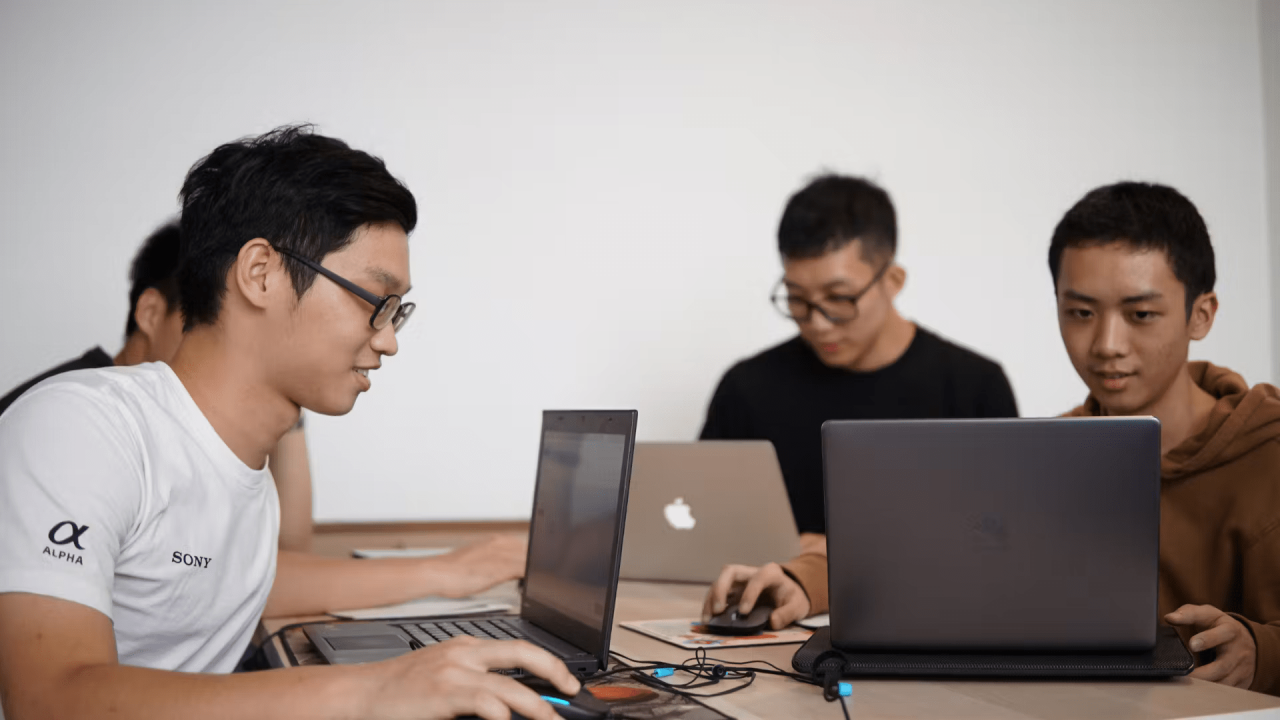
Coding bootcamps are intensive training programs designed to equip students with the skills necessary for a successful career in tech. However, the journey is often laden with challenges that can test even the most dedicated learners. From the fast-paced curriculum to the pressure of job guarantees, students frequently encounter obstacles that can hinder their progress. Understanding these challenges and the strategies to overcome them is crucial for success in this demanding environment.
Common Obstacles in Bootcamp Training
The rigorous nature of coding bootcamps can lead to various difficulties for students. Some of the most prevalent challenges include:
- Pace of Learning: The quick progression through complex topics can overwhelm students, especially those without prior coding experience.
- Time Management: Balancing coursework with personal commitments often proves challenging, leading to increased stress levels.
- Technical Difficulties: Encountering bugs or errors can be frustrating, particularly for beginners who may not yet have the troubleshooting skills needed.
- Collaboration Issues: Group projects can sometimes lead to conflicts, especially when team members have varying skill levels and work ethics.
- Imposter Syndrome: Many students experience self-doubt, questioning their abilities and whether they belong in the tech field.
Strategies to Overcome Challenges
Addressing the obstacles faced in coding bootcamps requires a proactive approach. Here are effective strategies that can help students navigate these challenges:
- Establish a Study Routine: Creating a consistent schedule for study and practice can improve time management and reduce stress.
- Utilize Resources: Taking advantage of provided materials, such as tutorials and coding challenges, helps reinforce learning.
- Engage in Peer Study Groups: Collaborating with fellow students can foster a supportive environment, helping to clarify difficult concepts.
- Ask for Help: Seeking assistance from instructors or mentors when facing technical difficulties can expedite learning and reduce frustration.
- Practice Mindfulness: Techniques like meditation can help manage stress and combat feelings of inadequacy, fostering a positive mindset.
The Role of Mentorship and Peer Support
Support systems play a vital role in overcoming challenges during bootcamp training. Mentorship can provide personalized guidance that enhances the learning experience. Mentors often share insights from their own experiences, helping students navigate the complexities of the curriculum and job search. Peer support is equally important, as collaborating with others fosters a sense of community and shared learning.
“Building connections with peers can alleviate stress and create a collaborative learning environment where everyone thrives.”
Bootcamp cohorts often create networks that extend beyond the classroom, providing ongoing support and encouragement. This camaraderie can significantly improve morale and resilience, ultimately leading to a more fruitful bootcamp experience.
The Future of Coding Bootcamps
The landscape of coding bootcamps is evolving rapidly, influenced by technological advancements and shifting job market demands. As traditional education models adapt to the digital age, coding bootcamps are positioned at the forefront of this transformation. With a focus on practical skills and job readiness, bootcamps are not only altering how coding education is delivered but also redefining career pathways for many aspiring tech professionals.
Current trends indicate an increasing integration of technology in coding education. Many bootcamps are adopting innovative teaching methods, such as virtual reality and artificial intelligence, to enhance learning experiences. These technology-driven approaches allow for personalized learning and immediate feedback, making the educational process more engaging and effective. Additionally, remote learning has become a standard practice, broadening access to coding education for individuals regardless of geographic location.
Impact of Technology on Bootcamps
The integration of technology into coding bootcamps serves multiple purposes, from enhancing curriculum delivery to improving student outcomes. Here are some key aspects of how technology is reshaping the bootcamp experience:
- Adaptive Learning Platforms: Many bootcamps utilize platforms that adjust the difficulty of coursework based on a student’s performance, ensuring that each learner progresses at their optimal pace.
- Interactive Tools: Tools such as coding simulators and collaborative coding environments foster a hands-on approach, allowing students to build real projects while receiving real-time assistance from instructors.
- Data-Driven Insights: Bootcamps are leveraging analytics to track student performance and engagement, helping educators identify areas where learners may need additional support.
- Online Networking Opportunities: Virtual job fairs and community forums enable students to connect with industry professionals, enhancing job placement prospects and networking.
As the demand for tech talent continues to grow, job guarantees within the bootcamp model are expected to evolve. Many bootcamps are beginning to offer more robust guarantees that not only promise job placements but also include career support services that extend beyond graduation. This shift is indicative of bootcamps striving to build trust and accountability with prospective students.
Evolution of Job Guarantees
Job guarantees are becoming more comprehensive, reflecting the commitment of bootcamps to ensure student success. Key elements of this evolution include:
- Extended Support Periods: Some bootcamps now provide ongoing career services for up to six months or longer after graduation, helping graduates navigate the job market.
- Comprehensive Career Coaching: In addition to job placement, bootcamps are increasingly offering personalized coaching sessions to help students refine their resumes, enhance their interview skills, and prepare for technical assessments.
- Diverse Job Opportunities: Bootcamps are partnering with a wider variety of employers, including startups and established tech giants, to provide graduates with a range of job options.
- Income Share Agreements: Some bootcamps have adopted income share agreements (ISAs), allowing students to pay tuition based on their future earnings, which aligns the financial success of the bootcamp with the success of its graduates.
In light of the current trends and a growing recognition of tech education, there is potential for increased collaboration between coding bootcamps and traditional educational institutions. This relationship could lead to a hybrid model that combines the best of both worlds: the structured curriculum and accreditation of traditional schools with the practical, hands-on approach of bootcamps.
Integration with Traditional Educational Institutions
The potential for bootcamps to partner with traditional institutions offers several advantages:
- Credentialing Opportunities: Collaborations could result in formal recognition of bootcamp programs within degrees, enhancing the credibility of bootcamp education.
- Broader Curriculum Access: By integrating with established colleges, bootcamps could access a wider array of resources, faculty expertise, and research opportunities.
- Enhanced Student Support: Traditional institutions can provide additional support services such as counseling, tutoring, and extracurricular activities, enriching the student experience.
- Expanded Reach: Partnerships could enable bootcamps to tap into the existing student populations of universities, offering coding courses as part of broader degree programs.
Overall, the future of coding bootcamps is bright, with technological advancements paving the way for innovative learning experiences and evolving job guarantees that respond to the needs of both students and employers. The integration of bootcamps with traditional educational institutions may not only bolster the credibility of coding education but also create a more robust ecosystem for preparing the next generation of tech talent.
Final Conclusion: Coding Bootcamp With Job Guarantee USA
In summary, Coding Bootcamp With Job Guarantee USA represents a significant step forward in tech education, combining intensive training with a safety net of job placement assurance. As the demand for skilled developers continues to rise, these bootcamps are not only providing valuable skills but also building bridges between education and employment. For individuals eager to enter the tech field, the bootcamp model offers a promising avenue to achieve their career ambitions.
Query Resolution
What is the typical duration of a coding bootcamp?
Most coding bootcamps last between 8 to 24 weeks, depending on the program and format.
Are coding bootcamps suitable for beginners?
Yes, many bootcamps are designed for beginners with no prior coding experience and provide foundational knowledge.
What programming languages are commonly taught?
Bootcamps often cover languages like JavaScript, Python, Ruby, and frameworks like React and Node.js.
How do job guarantees work in bootcamps?
Job guarantees typically promise employment within a certain timeframe after graduation, provided students meet specific criteria.
Can I attend a coding bootcamp part-time?
Yes, many bootcamps offer part-time options to accommodate working professionals or students.
What types of jobs can I expect after graduation?
Graduates often find positions such as software developers, web developers, data analysts, and more in tech-related fields.